Radiation Services & Products

Radiation Hardness Assurance

Radiation Hardness Assurance (RHA) helps identify the effects of radiation on electronics at an early stage, assess risks, and develop appropriate countermeasures.

In this way, we help our customers operate their systems reliably even under demanding radiation conditions.

request now

Radiation Protection - Knowledge

What is Radiation Hardness Assurance?

Radiation Hardness Assurance (RHA) is essential for guaranteeing the performance and reliability of electronic components and systems exposed to ionizing radiation in demanding environments such as space, aviation, nuclear medicine, and advanced industrial applications. 

It encompasses comprehensive testing, evaluation, and quality assurance procedures designed to assess how radiation affects electrical performance and long-term functionality, ensuring that your products meet stringent international standards and perform safely where failure is not an option.

Radiation Environments

Electronic and electromechanical systems are subject to very different radiation environments depending on their application — from intense cosmic and solar radiation in orbit to ground-based fields in industrial, medical, or accelerator settings. 

A clear, mission-specific understanding of these radiation environments is the foundation of effective Radiation Hardness Assurance (RHA)

Accurate environment definition enables the selection of the right test methods, prediction of radiation effects, and qualification of components and systems for high-reliability performance throughout their lifecycle. Seibersdorf Laboratories partners with clients to define, model, and analyze radiation environments, delivering actionable input for RHA programs, qualification campaigns, and design optimization. 

Space Radiation Environment

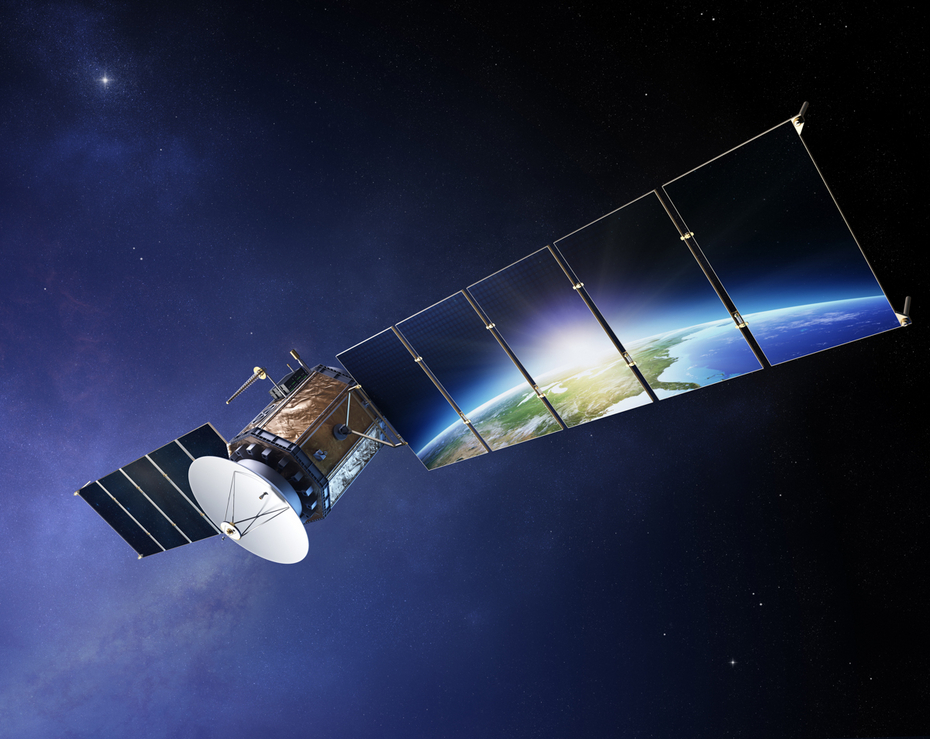
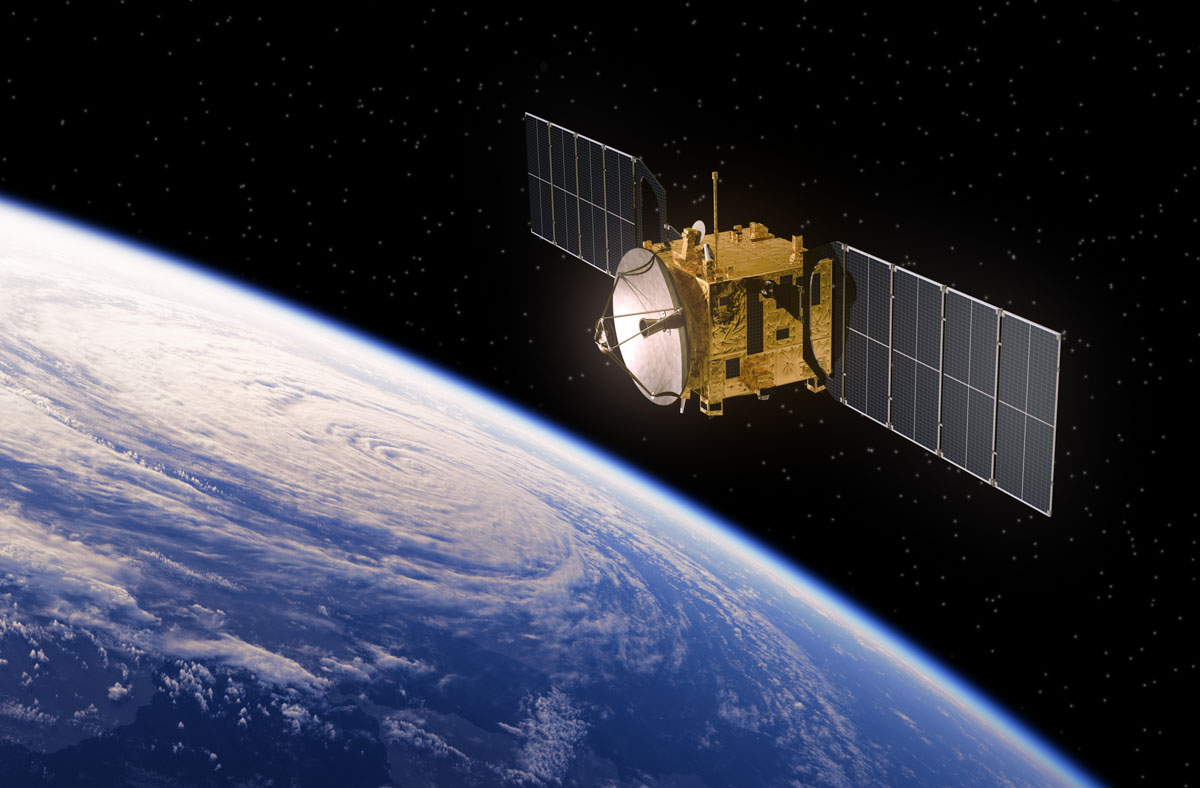
The space radiation environment is one of the most challenging for electronic systems, varying with mission profile, altitude, orbit type, and duration. It consists of multiple particle sources that can degrade or disrupt electronics, making early identification of mission-specific spectra essential for RHA planning and compliance with international standards. 

  • Solar Energetic Particles (SEP) – Bursts of high-energy protons and ions associated with solar activity can cause transient and cumulative effects. 
  • Galactic Cosmic Radiation (GCR) – A persistent flux of high-energy particles originating outside the solar system that contributes to cumulative damage. 
  • Trapped Radiation Belts – Energetic electrons and protons held in Earth’s magnetic field (e.g., Van Allen belts) present varied exposure based on orbital region. 


Detailed radiation environment definition for space missions combines orbit-specific particle spectra, shielding impacts, and mission duration to generate realistic fluence profiles and dose curves. These environment datasets become critical input for RHA programs and help shape test plans for Total Ionizing Dose (TID), Displacement Damage (DD), and Single Event Effects (SEE) qualification. 

Key radiation environment outputs for customers include:

  • Orbit-specific particle spectra and fluence profiles
  • Shielding analysis and cumulative dose predictions
  • Environment models for RHA test planning and simulation
  • Documentation supporting qualification, risk assessment, and compliance

Related topics: 

  • Effects & Test Services (TID, DD, SEE)
  • Standards and Qualification Support
     

Application-Specific Radiation Environments

Not all radiation challenges originate in space — many ground-based and industrial environments also require rigorous RHA planning. Seibersdorf Laboratories defines tailored radiation profiles and supports RHA for diverse non-space applications where ionizing radiation impacts system performance:

Nuclear Facilities
Complex mixed fields of gamma rays, neutrons, and beta particles near reactors or fuel handling zones require component qualification to meet safety, reliability, and regulatory criteria.

Accelerator Environments
Particle accelerators produce high-energy mixed radiation fields where displacement damage, SEE rates, and material degradation must be accounted for during RHA and test planning. 

Nuclear Medicine & Healthcare
Medical imaging and therapy systems operate in controlled but intense radiation fields. RHA provides confidence that electronics maintain performance and safety over repeated clinical use.

Aviation and Avionics
Cosmic radiation at flight altitudes introduces soft error risk and cumulative dose effects in avionics and safety systems. Understanding these environments informs appropriate design and qualification strategies. 

To derive robust application-specific radiation profiles, we combine industry standards, empirical measurement data, advanced simulations, and operational constraints. These profiles help you:

  • Define effective RHA test plans and acceptance criteria
  • Support qualification and certification documentation
  • Estimate lifetime radiation exposure and mitigation needs
  • Inform design choices and radiation tolerance strategies

This comprehensive approach ensures your products are validated against realistic operational conditions — whether in space, industrial, medical, or high-altitude aviation environments.
Cosmic Radiation on Ground

Even at Earth’s surface, cosmic rays — high-energy particles from space that interact with the atmosphere — generate secondary neutrons and other particles that can disturb sensitive electronics. These interactions may cause soft errors or transient events in memories, processors, and other components. 

A widely used reliability metric is the Failure-In-Time (FIT) rate, expressing expected failures per one billion device-hours. FIT analyses based on ground-level cosmic radiation help estimate how often radiation-induced events may occur in real-world products and feed into RHA planning, design validation, and long-term reliability strategies.

Radiation Effects

Electronic components exposed to ionizing radiation can experience different types of degradation or failure depending on the radiation source, energy spectrum, and exposure duration. In Radiation Hardness Assurance (RHA), three primary radiation effects categories are considered:

  • Total Ionizing Dose (TID) – Cumulative ionization damage over time
  • Displacement Damage (DD) – Structural lattice damage caused by particle interactions
  • Single Event Effects (SEE) – Instantaneous failures triggered by individual high-energy particles

Understanding which radiation effect is relevant for your application is critical for defining the correct test strategy and qualification approach.

Typical Symptoms by Effect Type


Effect TypeNatureTypical SymptomsTypical Applications
TIDCumulativelyParameter drift, leakage current increase, threshold voltage shiftsSpace, nuclear, medical
DDCumulative (non-ionizing)Gain degradation, dark current increase, optical efficiency lossOptoelectronics, detectors
SEESingle particle eventBit flips, latch-up, burnout, transient errorsSpace, avionics, high-reliability electronics

When is Which Testing Required?


  • Long mission lifetime or high total dose → TID Testing
  • Optical sensors, solar cells, bipolar devices → Displacement Damage Testing
  • Digital electronics, power devices, FPGA, ASIC → SEE Testing

Total Ionizing Dose (TID) Effects

Total Ionizing Dose (TID) refers to the cumulative damage caused by long-term exposure to ionizing radiation, primarily from gamma rays, X-rays, and charged particles. Radiation generates charge in insulating layers (e.g., gate oxides), leading to trapped charges and interface states that degrade device performance.

Typical TID-Induced Degradations

  • Threshold voltage shifts (MOSFETs)
  • Increased leakage currents
  • Gain degradation (bipolar devices)
  • Timing shifts in analog and digital circuits
  • Functional failure at high accumulated dose

Key Parameters

  • Total Dose (Gy / rad) – Expected mission lifetime exposure
  • Dose Rate – High vs. low dose rate conditions
  • ELDRS (Enhanced Low Dose Rate Sensitivity) – Particularly relevant for bipolar technologies

Devices Most Affected

  • Analog ICs
  • Power MOSFETs
  • Linear regulators
  • ADCs/DACs
  • Space-grade and COTS electronics

TID assessment is essential for space missions, nuclear facilities, medical radiation environments, and long-lifetime industrial systems.

Displacement Damage (DD) Effects

Displacement Damage (DD) occurs when high-energy particles (e.g., protons, neutrons) displace atoms from their lattice positions inside semiconductor materials. Unlike TID, DD primarily affects the crystal structure and is quantified using the Non-Ionizing Energy Loss (NIEL) concept.

Typical DD-Related Degradations

  • Gain reduction in bipolar transistors
  • Increased dark current in image sensors
  • Reduced efficiency in solar cells
  • Optical output degradation in LEDs and laser diodes

Commonly Affected Components

  • Optoelectronic devices
  • Image sensors
  • Photodiodes
  • Solar cells
  • Bipolar devices

DD testing is particularly important in proton-rich space environments, accelerator facilities, and nuclear installations.

Single Event Effects (SEE)

Single Event Effects (SEE) are caused by a single high-energy ion or secondary particle depositing charge in a sensitive region of a semiconductor device. SEE can result in temporary malfunctions or permanent damage.

SEE Taxonomy

  • SEU (Single Event Upset) – Bit flip in memory or logic
  • SEL (Single Event Latch-up) – Potentially destructive high current condition
  • SET (Single Event Transient) – Voltage transient in analog/digital circuits
  • SEFI (Single Event Functional Interrupt) – Device-level functional disruption
  • SEB / SEGR – Catastrophic failures in power devices

Risk and Mitigation Strategies

  • Radiation-hardened design
  • Error detection and correction (EDAC)
  • Redundancy and watchdog systems
  • Current limiting and protection circuitry

Heavy Ion vs. Laser Testing

  • Heavy Ion Testing – Realistic simulation of space heavy ion environment
  • Laser SEE Screening – High-resolution fault localization and early-stage design validation

SEE testing is critical for spacecraft electronics, avionics, automotive safety systems, and high-reliability digital applications.

Ground-Based Radiation Effects

Radiation effects are not limited to space. At aviation altitudes and even at ground level, secondary cosmic radiation — particularly neutrons — can induce soft errors in advanced semiconductor technologies.

Typical Terrestrial Radiation Concerns

  • Soft Error Rate (SER) in memory devices
  • Bit flips in automotive control units
  • Transient errors in industrial electronics
  • Reliability concerns in data centers

Unlike space environments, terrestrial radiation levels are lower but continuous. The risk increases with altitude and technology scaling (smaller node sizes).

Ground-based radiation analysis helps determine realistic Failure-In-Time (FIT) rates and supports reliability predictions for automotive, avionics, and industrial systems.

This topic bridges application-specific radiation environments and SEE analysis, ensuring comprehensive RHA coverage.

Frequently Asked Questions

What is the difference between TID and SEE?

TID is cumulative degradation over time, while SEE results from a single energetic particle interaction.

Do terrestrial systems require radiation testing?

Yes. Even ground-level cosmic radiation can cause soft errors in advanced semiconductor technologies.

Can multiple effects occur simultaneously?

Yes. Many applications require combined TID, DD, and SEE assessment as part of a complete RHA program.

RHA & Qualification Overview

Radiation Hardness Assurance (RHA) is a structured, end-to-end process that ensures electronic components and systems perform reliably in radiation environments — from space missions to nuclear and aviation applications. Successful qualification requires more than testing alone. It combines environment definition, risk analysis, engineering decisions, and standards compliance into a traceable qualification strategy.

At Seibersdorf Laboratories, we support customers throughout the complete RHA lifecycle.

Radiation Hardness Assurance Services

Our RHA consulting services transform radiation requirements into clear engineering actions and qualification roadmaps. We provide tailored support packages depending on project phase, industry, and regulatory context.

Core Consulting Services

  • Radiation environment assessment
  • Test plan development (TID, DD, SEE)
  • Selection of applicable standards (ECSS, ESCC, MIL-STD, customer-specific)
  • Component and technology evaluation (COTS vs. rad-hard)
  • Radiation mitigation strategies
  • Review and interpretation of existing radiation data
  • Risk assessment and margin analysis

End-to-End RHA Process

1. Requirements Definition

Mission profile, lifetime, orbit or operational environment, reliability targets.

2. Radiation Environment Definition

Orbit modeling, terrestrial radiation analysis, shielding assumptions.

3. Design & Component Selection

COTS vs. rad-tolerant parts, technology assessment, mitigation strategies.

4. Test Plan Development

Definition of TID, DD, SEE test conditions in line with ECSS, ESCC, MIL-STD or application-specific standards.

5. Test Execution

Accredited radiation testing under controlled laboratory conditions.


6. Data Analysis & Reporting

Parameter evaluation, degradation trends, failure thresholds, statistical assessment.

7. Qualification & Acceptance

Formal documentation, compliance verification, and customer acceptance criteria.

This structured approach reduces technical risk, shortens development cycles, and ensures mission or product reliability.

Why Radiation Hardness Assurance?

Radiation can cause both gradual degradation and sudden failures in electronic systems. Without a structured RHA program, these risks may only become visible after deployment — when mitigation is costly or impossible.

For space missions, radiation effects can lead to loss of payload or total mission failure. In aviation, automotive, or medical systems, radiation-induced malfunctions may pose safety and liability risks. Even terrestrial data systems are increasingly sensitive due to technology scaling.

Radiation Hardness Assurance provides:

  • Predictable reliability
  • Standards compliance
  • Reduced business and mission risk
  • Transparent qualification documentation

If you are starting a new project or evaluating existing hardware, the first step is a structured RHA assessment.

Typical Deliverables

  • Radiation Hardness Assurance (RHA) Plan
  • Test Specification / Test Matrix
  • Radiation Test Report & Data Package
  • Component Evaluation Report
  • Qualification Roadmap & Risk Assessment

Our structured documentation ensures traceability and supports internal design reviews, customer audits, and certification processes.

Component Qualification

Component qualification verifies that individual parts meet radiation performance requirements before integration into a system.

A structured component qualification strategy includes:

  • Lot selection and traceability assessment
  • Screening vs. full qualification decision logic
  • Definition of acceptance criteria
  • Margin analysis relative to mission dose and particle spectra
  • Statistical evaluation of test results

Screening vs. Qualification


Screening

  • confirms baseline radiation tolerance for a defined lot

Qualification

  • validates suitability for a defined mission profile or operational lifetime.

Typical results


Deliverables typically include:

  • Detailed radiation test data package
  • Compliance statement vs. defined requirements
  • Acceptance criteria verification

Component qualification is closely linked to:

  • Radiation Test Methods (TID, DD, SEE)
  • Testing Facilities & Laboratory Capabilities

System Qualification & Validation

While component testing is essential, system-level risks may differ due to board layout, power architecture, redundancy concepts, and software interaction.

System qualification considers:

  • Board- and subsystem-level SEE sensitivity
  • Power distribution robustness and latch-up protection
  • Transient propagation and functional interruption behavior
  • Combined environmental stress conditions

Where required, radiation testing can be complemented by:

  • Failure mode and effects analysis (FMEA)
  • Modeling and simulation of radiation response
  • Cross-verification with component-level data

Clear traceability from requirements to validation results ensures robust system qualification and supports customer and regulatory acceptance.

Standards & Compliance

Radiation Hardness Assurance and qualification are typically performed according to internationally recognized standards. Selecting the correct framework depends on mission type, industry, and contractual requirements.

Space Standards

  • ECSS (European Cooperation for Space Standardization)
  • ESCC (European Space Components Coordination)
  • MIL-STD (U.S. military standards)

These standards define requirements for radiation testing, documentation, acceptance criteria, and quality assurance processes.

Testing Quality & Accreditation

Testing performed under ISO/IEC 17025 accreditation ensures:

  • Technical competence
  • Validated test methods
  • Traceable calibration
  • Quality-controlled procedures
  • Reproducible and internationally recognized results

Choosing the right standard early in the project avoids costly redesign loops and ensures smooth qualification and acceptance.

Radiation Hardness Assurance

Services

Seibersdorf Laboratories offers a comprehensive portfolio of services in the field of radiation effects and radiation qualification - ranging from experimental testing and simulation to radiation environment analysis and technical consulting.

to the services

Radiation Hardness Assurance

Industries & Use-Cases

Radiation effects are not abstract physical phenomena, they translate into real risks: mission loss, safety incidents, certification delays, unexpected field failures, and costly redesign loops.

Depending on your application — space, nuclear, medical, aviation, semiconductor, or automotive — radiation exposure creates different technical and regulatory challenges. Radiation Hardness Assurance (RHA) ensures that these risks are identified, tested, documented, and controlled before deployment.

Seibersdorf Laboratories supports industry-specific radiation qualification programs — from environment definition and component testing to compliance documentation and acceptance.

Arrow left
Arrow right

Verification, Lot Acceptance Testing & ECSS Compliance

Space

In institutional and agency-driven space missions, radiation qualification of electronics is not an optional design step, but a contractual and mission-critical requirement.

A single radiation-induced failure in orbit can lead to complete mission loss, significant project delays, and millions in unexpected costs.

Therefore, your flight hardware must be thoroughly verified against the mission-specific radiation environment and documented in accordance with internationally recognized standards, such as:

  • ECSS-Q-ST-60-15 – Radiation Hardness Assurance (RHA) 
  • ESCC radiation test methods 
  • Relevant MIL standards 

The ECSS standard for Radiation Hardness Assurance defines the requirements for RHA programs in space projects, with a focus on the three key radiation effects:
Total Ionizing Dose (TID), Displacement Damage (TNID/DD), and Single Event Effects (SEE).

learn more

Fast, Risk-Based Qualification for Commercial Missions

New Space

In the NewSpace era, space missions are driven by ambitious timelines, limited budgets, and new business models. To reduce development time and cost, many programs rely on commercial off-the-shelf (COTS) components.

While COTS components offer advanced technology and short lead times, they often lack comprehensive radiation characterization for space applications.

Without a clear Radiation Hardness Assurance (RHA) strategy, this can introduce hidden reliability risks that impact mission performance, system stability, and investor confidence.

Because NewSpace teams operate under tight time and resource constraints, they require pragmatic and defensible qualification strategies that deliver fast, meaningful results — without delaying development or exceeding budgets.

learn more

Radiation Exposure at High Altitudes and System Reliability

Aviation & Avionics

Even systems operating entirely within Earth’s atmosphere are exposed to elevated radiation levels, significantly higher than at ground level. Modern aircraft typically operate at cruising altitudes of 10–12 km or higher, where atmospheric shielding is reduced.

At these altitudes, aircraft electronics are increasingly affected by secondary cosmic radiation, generated when high-energy cosmic particles interact with atmospheric nuclei and produce cascades of secondary particles.

This radiation field includes neutrons, protons, muons, and other secondary particles that can reach avionics systems.

These particles can induce transient and latent failures in electronic components, including Single Event Effects (SEE) and soft errors in microelectronics.

As semiconductor technologies continue to scale into the nanometer range, susceptibility to radiation-induced effects increases, and traditional reliability models that neglect radiation may underestimate actual system risk in modern avionics.
 

learn more

Reliable Electronics in High-Intensity Radiation Fields

Nuclear Facilities & Particle Accelerators

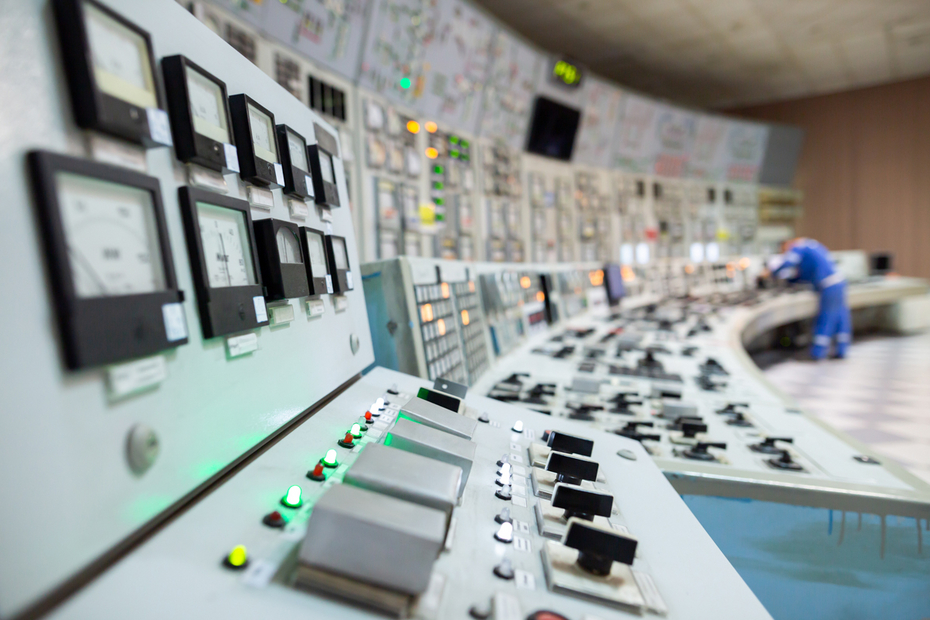
Electronic systems used in nuclear installations — such as nuclear power plants, research reactors, and instrumentation and control systems — as well as in particle accelerator environments, are exposed to some of the most challenging radiation conditions outside of space.

These environments are characterized by continuous high radiation levels and complex mixed radiation fields, including:

  • Gamma radiation 
  • Neutrons 
  • Protons 
  • Secondary particles from material interactions 

Such radiation fields can degrade materials and electronic components over time, affecting performance, stability, and reliability.

In nuclear and accelerator applications, even small parameter changes can have significant consequences for safety systems, control loops, instrumentation, and overall facility operation.

Therefore, radiation effects must be fully understood, quantified, and controlled long before deployment.

learn more

Medizin (Foto: AdobeStock)

Precision, Reliability and Safety in Radiation-Exposed Medical Electronics

Medical Technology & Nuclear Medicine

Medical imaging and radiotherapy systems operate in controlled ionizing radiation environments that are essential for diagnosis and treatment — but also pose challenges for the electronics that enable these technologies.

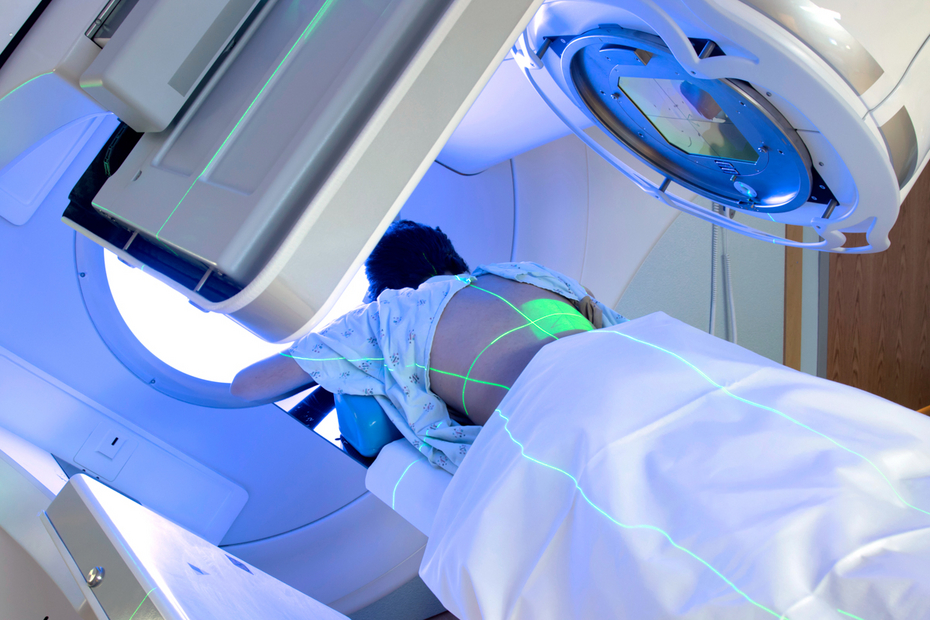
Systems such as PET scanners, CT imaging systems, and radiotherapy control units are repeatedly exposed to ionizing radiation during clinical operation. Even small changes in electronic parameters can affect image quality, treatment precision, and ultimately patient safety.

In this context, radiation validation is not only about regulatory compliance, but also about ensuring:

  • Consistent system performance over long operating lifetimes
  • Stable electronic parameters under repeated radiation exposure
  • Reliable data for regulatory approval and quality documentation

learn more

From Nanoscale Chips to Safety-Critical Systems

Radiation Sensitivity of Modern Technologies

As semiconductor technologies continue to scale down and electronics become ubiquitous across industries, radiation-induced effects are no longer limited to extreme environments such as space or nuclear applications.

Secondary particles from terrestrial cosmic radiation, generated when cosmic rays interact with the Earth’s atmosphere, can cause soft errors, bit flips, and transient faults even at sea level in modern integrated circuits.

With decreasing feature sizes and lower critical charge, the sensitivity of modern devices to radiation effects continues to increase.

As a result, radiation-induced effects are becoming a key factor for:

  • System reliability 
  • Functional safety 
  • Long-term operation and mission assurance 

For engineers, manufacturers, and system architects in semiconductor, industrial, and automotive sectors, it is therefore essential to understand, quantify, and validate radiation sensitivity as part of modern product development and qualification strategies.

Details about the Individual Industries

Details about Space

Radiation Environment & Risk

In institutional and agency-driven space missions, the radiation qualification of electronics is not an optional design measure, but a contractual and mission-critical requirement. Depending on the mission profile, electronics in orbit are exposed to varying contributions of Total Ionizing Dose (TID), Displacement Damage (DD / TNID), and Single Event Effects (SEE). Under the ECSS RHA standard, these are the three core radiation effects addressed in space projects. 

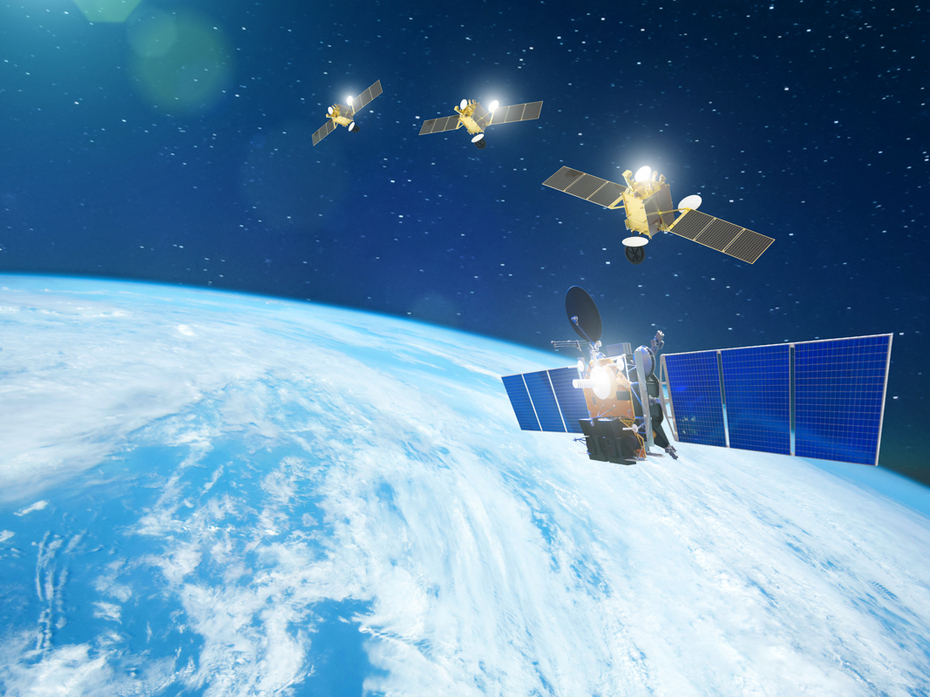
Even a single radiation-induced failure can result in loss of function, payload damage, or complete mission failure. For satellites, scientific payloads, spacecraft avionics, or subsystems, this means that flight hardware must be verified against the mission-specific radiation environment and documented in accordance with recognized standards such as ECSS-Q-ST-60-15, ESCC radiation test methods, and relevant MIL standards. The ECSS standard for Radiation Hardness Assurance defines the requirements for RHA programs in space projects and specifically addresses the three central radiation effects: Total Ionizing Dose (TID), Displacement Damage (TNID/DD), and Single Event Effects (SEE)

Typical Requirements & Challenges

At every project stage — from component selection and design reviews to formal acceptance — space customers must demonstrate technical confidence, traceability, and compliance with applicable standards. Typical requirements include:

  • Lot Acceptance Testing (LAT) for flight hardware and component lots 
  • Verification against mission-specific dose and particle spectra 
  • Margin analyses and worst-case assessments for design reviews and mission boards 
  • Independent assessment of available supplier data 
  • Audit-ready documentation for qualification boards, reviews, and certifications 

In many projects, the main challenge is not the individual test itself, but the combination of environment definition, component evaluation, test execution, statistical assessment, and review-ready documentation.

How We Support You

Seibersdorf Laboratories combines technical expertise, standardized methods, and an integrated qualification process to support space projects efficiently and reliably.

We begin by defining the mission- and orbit-specific radiation environment and determining the expected TID, DD, and SEE loads based on orbit, mission duration, shielding, and system architecture. On this basis, we perform lot-specific TID, DD, and SEE testing — in our own facilities where possible, and through our European partner network for specialized particle beams.

To assess radiation robustness, we apply established methods including worst-case analyses, statistical tolerance limits, and radiation design margin evaluations. This is complemented by standards-aligned reports containing test plans, test matrices, dosimetry traceability, and structured result presentation for audits and reviews.

Your Benefits

A structured Radiation Hardness Assurance approach in space projects delivers far more than simply passing individual irradiation tests. It provides:

  • Design confidence through reliable data on how your electronics behave in orbit 
  • Risk reduction through early identification of critical failure mechanisms 
  • Compliance with standards and review expectations under ECSS, ESCC, MIL, and mission boards 

Greater project predictability with fewer surprises and lower redesign risk.

Your Partner for Space Qualification

Our RHA process is tailored to your mission profile, ensures full traceability, and delivers qualification-ready evidence for acceptance decisions — from early test planning to the final qualification report. Seibersdorf Laboratories is your partner when you need to qualify space electronics against radiation in a robust, traceable, and standards-compliant way.

Details about New Space

Radiation Environment & Risk

NewSpace missions are shaped by fast development cycles, limited budgets, and strong pressure to innovate. At the same time, commercial off-the-shelf components (COTS) are often used to shorten development times and reduce cost. The challenge is that many of these components have little or no radiation characterization for orbital use.

This creates hidden risks. An FPGA without SEE data, an ASIC without reliable TID characterization, or unclear design margins can directly affect mission performance, system stability, investor confidence, and time-to-orbit.

Typical Requirements & Challenges

Typical NewSpace programs face questions such as:

  • No heavy-ion or SEE data is available for a selected component 
  • Full classical qualification according to ECSS or MIL is not realistic in terms of cost or schedule 
  • Investors, customers, or prime contractors require documented risk mitigation 
  • Decisions on shielding, redundancy, and COTS selection must be made quickly and on a solid technical basis 

The challenge is to make technically meaningful and economically reasonable decisions in a short time — without getting lost in oversized test programs.

How We Support You

Seibersdorf Laboratories follows a practical, risk-based upscreening approach for NewSpace. The starting point is a mission-specific radiation risk analysis, in which orbit, expected particle spectra, system exposure, and shielding are assessed.

Based on this, we focus on the critical components and characterize them specifically with regard to TID and SEE. In addition, we analyze failure thresholds, operating limits, and design margins to derive technical priorities for system design and mitigation.

Where appropriate, we complement these activities with board- and system-level radiation testing and SEE laser screening to rapidly identify sensitive areas in circuits and enable early design validation.

Our reports are intentionally structured so that they are useful for engineering teams, project management, investors, and review boards alike: concise, evidence-based, and decision-oriented.

Your Benefits

A structured, risk-based upscreening strategy enables NewSpace projects to achieve:

  • Lower costs and shorter test cycles 
  • Early technical confidence in the design process 
  • Defensible trade-off decisions between COTS, shielding, and redundancy 
  • Traceable risk assessments for stakeholders and investors 
  • Faster qualification without unnecessary testing of non-critical components 

Your Partner for NewSpace and COTS-to-Space Qualification

Seibersdorf Laboratories helps NewSpace teams turn uncertainty into well-founded technical decisions. 

With mission-specific risk analysis, focused test programs, rapid evaluation, and complementary methods such as SEE laser screening, we help you implement reliable COTS-to-space strategies with both technical robustness and economic efficiency.

Details about Aviation & Avionics

Radiation Environment & Risk

Even within Earth’s atmosphere, electronic systems at relevant flight altitudes are exposed to significantly higher radiation levels than at ground level. At the typical cruising altitudes of modern aircraft, the protective effect of the atmosphere is reduced, and secondary cosmic radiation — especially neutrons, protons, muons, and other secondary particles — reaches avionics systems at meaningful levels.

As semiconductor technologies continue to shrink, susceptibility to soft errors and Single Event Effects (SEE) increases. Traditional reliability models that do not account for these effects may therefore underestimate the actual risk in modern avionics systems.

Typical Requirements & Challenges

Typical requirements for aviation and avionics systems include:

  • Assessment of bit flips and single-event upsets in flight control, navigation, and sensor data 
  • Analysis of transient faults in communication and avionics systems 
  • Demonstration of Soft Error Rate (SER) and FIT values for safety and certification processes 
  • Assurance of the long-term reliability of modern processor and memory architectures 

The main challenge is to systematically integrate radiation effects into functional safety, fault-tolerant design, and reliability evidence.

How We Support You

Seibersdorf Laboratories offers specialized analysis and testing services for aviation. We assess the altitude-dependent radiation environment and evaluate how particle flux, energy distributions, and dose vary with altitude, route, and atmospheric conditions.

In addition, we determine SER and FIT metrics for components and systems, providing a quantitative basis for architecture decisions, redundancy concepts, and error management.

We also characterize the SEE susceptibility of electronic components using simulations, laboratory analysis, and testing in specialized radiation facilities — under conditions representative of the actual radiation environment at flight altitudes.

Your Benefits

Radiation analysis for avionics provides clear benefits:

  • More realistic reliability predictions for modern VLSI electronics 
  • Robust safety arguments for safety-critical systems 
  • Quantitative data for certification documentation 
  • Better-informed decisions on hardware robustness, redundancy, and system complexity 

Your Partner for Radiation-Robust Avionics

Seibersdorf Laboratories combines radiation physics, aviation system understanding, and tailored analysis. 

We help your team develop, evaluate, and safeguard robust and reliable avionics systems for real operating conditions at high altitude.

Details about Nuclear Facilities & Particle Accelerators

Radiation Environment & Risk

Electronic systems in nuclear facilities, research reactors, and particle accelerator environments are exposed to some of the most demanding radiation conditions outside space. These environments are characterized by continuously high radiation levels and complex mixed fields of gamma radiation, neutrons, protons, and secondary particles.

These environments can degrade materials and electronics over long periods of time. Even small changes in electrical characteristics can have major effects in safety-relevant applications involving control, measurement, closed-loop regulation, and plant availability.

Typical Requirements & Challenges

Typical requirements in nuclear and accelerator applications include:

  • Assessment of high cumulative ionizing dose (TID) 
  • Analysis of parameter drift in sensor and control electronics 
  • Investigation of displacement damage in neutron-rich environments 
  • Demonstration of long-term stability over the full operating lifetime 
  • Preparation of comprehensive data packages for regulatory approval and safety cases 

The core challenge is not only to test immediate radiation effects, but to make reliable predictions about the lifetime performance of the electronics.

How We Support You

Seibersdorf Laboratories supports operators, system developers, and research institutions with structured programs for radiation qualification and reliability assessment.

We characterize the specific radiation environment of your facility — including gamma flux, neutron spectra, and mixed fields — and derive realistic test conditions and simulation models from it. We also calculate lifetime dose based on the operating profile and intended service duration.

To support technical qualification, we carry out TID testing as well as neutron and proton irradiations for DD analyses. Real-time monitoring during irradiation provides additional insight into functional behavior and parameter drift. This is complemented by structured documentation for audits, safety cases, and regulatory processes.

Your Benefits

Reliable radiation validation provides operators and developers with:

  • Robust safety and control systems under normal and incident conditions 
  • Reduced unplanned downtime through early detection of degradation 
  • Objective, traceable data for regulatory approvals 
  • Sound engineering decisions instead of purely conservative assumptions 

Your Partner for Radiation Qualification in Nuclear and Accelerator Environments

Seibersdorf Laboratories combines solid radiation physics, modern test methods, and industry-ready documentation. 

Whether for reactor electronics, measurement systems in neutron-rich environments, or mixed-field analysis in accelerator facilities, we help you demonstrate long-term reliability and regulatory confidence with robust data.

Details about Medical Technology & Nuclear Medicine

Radiation Environment & Risk

Imaging and radiotherapy systems operate in controlled ionizing radiation fields that are indispensable for diagnosis and treatment, but also challenging for the electronics that enable them. Systems such as PET scanners, PET/CT systems, CT imaging equipment, and control and dosimetry units in radiotherapy are repeatedly exposed to radiation during clinical operation.

Even small changes in electronic parameters can influence image quality, therapy accuracy, and patient safety. Radiation validation is therefore not only a matter of regulatory compliance, but also of clinical performance and long-term stability.

Typical Requirements & Challenges

Typical requirements in medical technology and nuclear medicine include:

  • Demonstration of robustness against TID 
  • Assurance of long-term stable electronic parameters 
  • Functional reliability under repeated exposure over many cycles 
  • Traceable test data for regulatory approval and quality documentation 

Typical applications include PET and PET/CT detector electronics, CT scanner controls, imaging sensors, data acquisition systems, and control and monitoring electronics in radiotherapy.

How We Support You

Seibersdorf Laboratories supports medical device manufacturers and healthcare technology developers with tailored radiation validation and qualification services.

We analyze radiation exposure in diagnostic and therapeutic applications, perform TID testing and parameter monitoring, and characterize the function of your assemblies before, during, and after controlled irradiation. This is complemented by structured reports and data packages to support quality assurance, approval, and regulatory evaluation.

Your Benefits

Robust radiation validation helps you to:

  • Ensure long-term image accuracy and therapy precision 
  • Detect drift and degradation in critical electronics early 
  • Optimize maintenance and calibration strategies 
  • Meet regulatory requirements reliably and efficiently 

Your Partner for Radiation Qualification in Medical Technology

Seibersdorf Laboratories combines radiation physics with experience in qualifying demanding electronic systems. 

We help you make medical imaging and therapy systems reliable, stable, and regulatorily robust over their entire lifecycle.

Details about Semiconductor Manufacturers

Radiation Environment & Risk

As feature sizes shrink and critical charge decreases, modern semiconductor devices become increasingly sensitive to radiation-induced effects. Even outside extreme environments, secondary particles from terrestrial cosmic radiation can trigger soft errors in modern chips.

For semiconductor manufacturers, SEE, SEU, SET, and other transient effects are therefore becoming an important topic in product characterization, customer communication, and reliability assessment.

Typical Requirements & Challenges

Typical requirements in semiconductor development include:

  • SEE characterization of new process nodes, memory architectures, and multicore systems 
  • Demonstration of robustness against soft errors and transient faults 
  • Identification of sensitive nodes and physical mechanisms 
  • Standardized data sets for customer qualification and benchmarking 
  • A technically sound basis for reliability and product-performance claims 

How We Support You

Seibersdorf Laboratories supports semiconductor manufacturers with targeted methods for SEE characterization, laser-based fault localization, radiation benchmarking, and radiation robustness assessment

We combine experimental data, SEE laser analysis, heavy-ion testing, and simulation-based evaluation to reveal weaknesses and make products comparable.

Your Benefits

These data help you to:

  • Develop more reliable chips 
  • Elevate product characterization to a higher technical level 
  • Improve customer confidence and comparability 
  • Support product and market claims with robust evidence 

Your Partner for SEE, Soft Error, and Radiation Characterization

Seibersdorf Laboratories helps semiconductor companies quantify the radiation sensitivity of modern technologies early and reliably — for product development, customer qualification, and technical differentiation in the market.

Details about Industrial Electronics & Data Infrastructure

Radiation Environment & Risk

Industrial facilities, data centers, energy infrastructure, and edge systems depend on electronics that must operate reliably for many years or even decades. However, even at ground level, radiation-induced soft errors can occur due to secondary particles from cosmic radiation.

In highly available systems, even rare events can have significant consequences: from system resets and incorrect decisions to process interruptions and data errors.

Typical Requirements & Challenges

Typical questions in industrial and data infrastructure applications include:

  • Determination of Soft Error Rate (SER) 
  • Calculation of FIT values for memory, processors, and critical logic 
  • Reliability validation for long operating lifetimes 
  • Development of redundancy, error-correction, and robustness concepts 

This is particularly relevant for applications such as grid control, industrial automation, data centers, and edge computing infrastructure.

How We Support You

Seibersdorf Laboratories provides SER and FIT analyses, simulation-based assessments, and targeted tests that allow radiation-related risks in long-life electronic systems to be quantified. 

On this basis, we support you in architecture decisions, reliability forecasts, and evidence for highly available systems.

Your Benefits

You receive:

  • Robust data for assessing rare but relevant fault events 
  • A sound basis for resilient system architectures 
  • More realistic reliability predictions 
  • Stronger arguments for long-term operation and availability 

Your Partner for SER, FIT, and Reliability Analysis

Seibersdorf Laboratories helps you make terrestrial radiation risks for industrial electronics and data infrastructure measurable, understandable, and technically manageable.

Details about Automotive & Autonomous Systems

Radiation Environment & Risk

Modern vehicles integrate an increasing number of powerful semiconductors and safety-critical electronics — from ADAS control units and sensor fusion platforms to power electronics and zonal vehicle architectures.

Even at ground level, secondary particles from cosmic radiation, especially neutrons, can induce soft errors in microelectronics.

Typical Requirements & Challenges

Typical requirements in automotive and autonomous systems include:

  • Assessment of soft errors in ADAS, perception, and compute platforms 
  • Analysis of the impact on safety-related ECUs 
  • Quantification of SER and FIT values 
  • Integration of results into ISO 26262-related safety arguments 
  • Derivation of robust measures for system architecture, redundancy, and error handling 

How We Support You

Seibersdorf Laboratories supports automotive developers with SER and FIT analyses, SEE and soft-error characterization, simulation-based evaluation, and targeted testing

We consider both individual components and application-specific system contexts such as sensors, ECUs, power electronics, and battery management.

Your Benefits

A structured radiation analysis in automotive applications enables:

  • Better protection of safety-critical electronics 
  • Robust data for functional safety evidence 
  • Well-founded architecture decisions for fault tolerance and robustness 
  • Higher safety and reliability over the vehicle lifetime 

Your Partner for Radiation-Robust Automotive Electronics

Seibersdorf Laboratories helps you identify soft errors and radiation-induced risks in modern vehicle systems at an early stage, evaluate them quantitatively, and make them technically manageable — for robust automotive electronics and defensible safety concepts.

Radiation Hardness Assurance

Facilities & Infrastructure

Precision Infrastructure for Reliable Radiation Testing

Radiation Hardness Assurance (RHA) relies fundamentally on high-quality, traceable testing infrastructure. Measured, controlled, and certified radiation exposure environments are key to ensuring your electronic systems will perform reliably in space, nuclear, medical, avionics, and industrial applications. At Seibersdorf Laboratories, we combine accredited irradiation facilities, advanced laser testing capabilities, external beam partnerships, and in-orbit measurement platforms to deliver the broadest and most robust radiation testing ecosystem in Europe — with traceable data, standardized procedures, and deep technical insight.

Arrow left
Arrow right
TEC Laboratory (Foto: Seibersdorf Labor GmbH)

Central Europe’s Premier Co-60 Total Ionizing Dose (TID) Facility

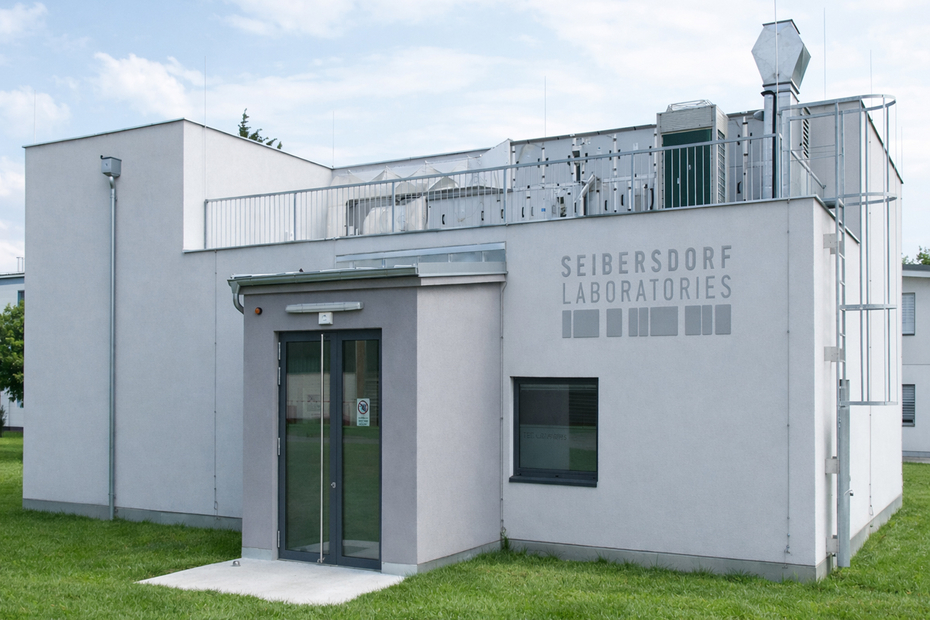
TEC Laboratory Seibersdorf

The TEC Laboratory at Tech Campus Seibersdorf, Austria is a purpose-built irradiation and electronics testing center specializing in Total Ionizing Dose (TID) testing and broader Radiation Hardness Assurance (RHA) services. As one of the few EN ISO/IEC 17025-accredited Co-60 gamma facilities in Europe, it provides internationally recognized, traceable, and qualification-ready radiation exposure data for components, PCBs, assemblies, and complete systems. 

This facility is essential for customers developing electronics for radiation-intensive environments, including space missions, nuclear facilities, aerospace systems, and advanced industrial or medical applications, where performance under long-term ionizing exposure must be demonstrated. 

SEE Laser Testing (Foto: Seibersdorf Labor GmbH)

Advanced Single Event Effects (SEE) Analysis Without a Particle Accelerator

SEE Laser Testing Laboratory Seibersdorf

Single Event Effects (SEE) — including Single Event Upset (SEU), Single Event Latch-up (SEL), Single Event Transient (SET), and other radiation-induced anomalies — are becoming increasingly critical as semiconductor geometries shrink and digital systems become more complex. SEE laser testing at Seibersdorf Laboratories provides a high-precision, accelerator-independent approach to assessing these effects and complements traditional heavy ion testing. 

Laser SEE testing delivers spatially controlled, repeatable stimulation of ionization-like events within semiconductor structures, enabling engineers to pinpoint sensitive regions, validate mitigation strategies, and expedite reliability assessments without the scheduling and cost constraints of particle accelerators. 

DD Testing (Foto: Seibersdorf Labor GmbH)

Comprehensive Particle Irradiation Capabilities

Network of Partner Facilities

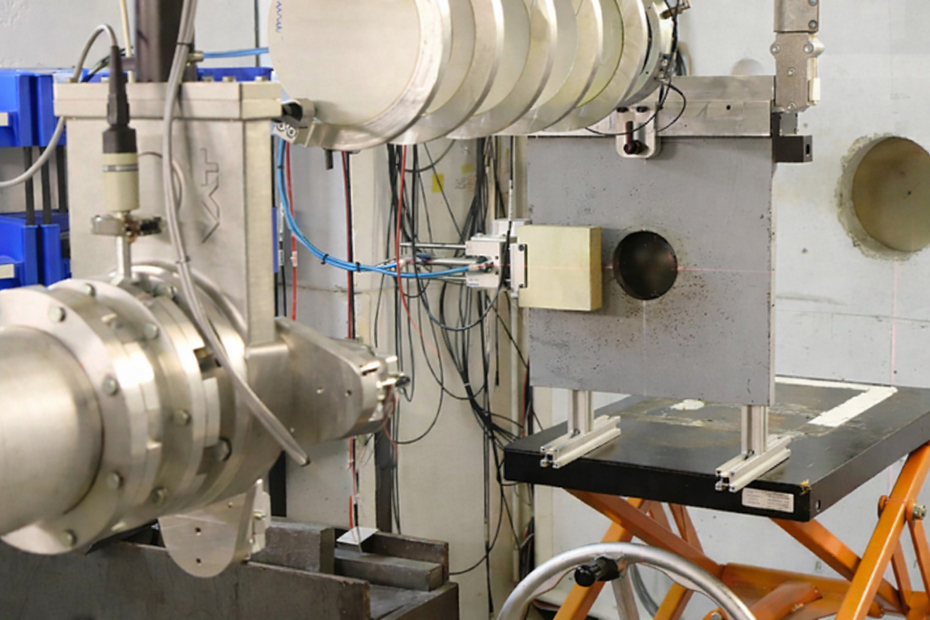
At Seibersdorf Laboratories, we complement our strong internal radiation testing infrastructure with an integrated network of external particle accelerator facilities. This dual model ensures you can access the full range of radiation exposure environments required for complete Radiation Hardness Assurance (RHA) campaigns — from standard gamma to advanced particle irradiation.

By acting as your central coordination partner, we simplify qualification programs and ensure consistent test quality, traceability, and standards alignment across all irradiation sources.

SATDOS (Foto: Seibersdorf Labor GmbH)

Real-Time Space Radiation Monitoring, TID & SEE Rate Measurement, and Qualification Support

SATDOS — In-Orbit Radiation Effects Monitor

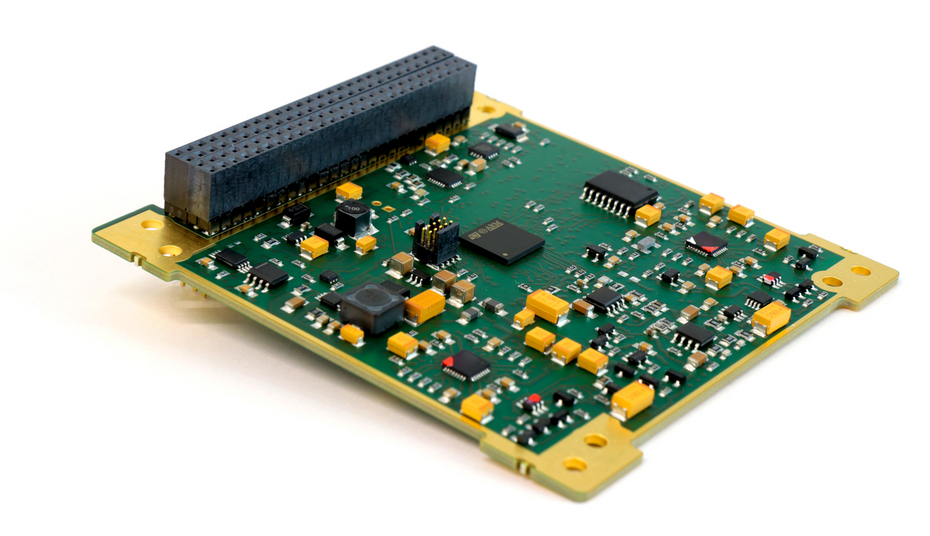
The SATDOS Reference Dosimeter Platform is an advanced in-orbit radiation effects monitor developed by Seibersdorf Laboratories to provide precise measurement of the Total Ionizing Dose (TID) and Single Event Effect (SEE) rates experienced by spacecraft electronics in real mission environments. Designed for CubeSats, nano-satellites, and small satellite platforms, SATDOS delivers real-time radiation environment information that supports mission safety, system protection, and qualification decisions. 

SATDOS has been successfully deployed on missions such as the ESA PRETTY CubeSat, where it operated throughout the mission to collect critical radiation data, enabling improved understanding of space radiation effects on spacecraft systems. 

Details about Facilities & Infrastructure

Accreditation & Quality Assurance

The TEC Laboratory operates under EN ISO/IEC 17025 accreditation, the international reference standard for testing and calibration laboratories, guaranteeing:

  • International recognition and traceability of results
  • Alignment with audit and qualification requirements
  • Robust documentation control
  • Impartiality, uniformity, and technical competence of personnel and procedures 

This accreditation strengthens confidence in test outcomes and supports qualification decisions by customers, certification bodies, and agencies. Additional quality certifications across Seibersdorf Laboratories (e.g., ISO 9001 quality management and ISO/IEC 27001 information security) further enhance procedural integrity and data security. 

Ionizing Gamma Exposure Capabilities

At the core of the TEC Laboratory is a high-activity Cobalt-60 (Co-60) gamma irradiation source with a flexible dose rate range:

  • 30 rad(Si)/h to 5 krad(Si)/h (0.3 Gy/h – 50 Gy/h), including support for ESA low dose rate profiles and the standard window defined in ESCC Basic Specification No. 22900.  

This range enables:

  • Standard and accelerated TID campaigns
  • Long-term cumulative dose testing
  • Enhanced Low Dose Rate Sensitivity (ELDRS) evaluations
  • Qualification against mission dose profiles 


Well-Characterized Irradiation Chamber

A spacious and well-characterized irradiation chamber (9.1 m × 4.4 m × 4 m) provides:

  • Uniform dose distribution across large test volumes
  • Multi-device exposure configurations
  • System-level or subsystem irradiation
  • Custom engineered fixtures for complex layouts 

Field uniformity, shielding design, and source movement are controlled via automated systems, ensuring repeatability and reproducibility critical for qualification reporting and standards compliance. 

Integrated Electronics & In-Situ Test Support

Adjacent to the irradiation facility is a multifunctional electronics laboratory outfitted with:

  • Precision measurement systems
  • Automated parameter analyzers (e.g., UNIMET series)
  • Power supplies, SMUs, DMMs, oscilloscopes, function generators
  • In-situ monitoring and biased irradiation capability
  • Multiple independent feed-throughs for system connectivity during exposure 

This setup enables:

  • Biased and unbiased irradiation testing
  • Real-time electrical parameter monitoring
  • Pre-, during-, and post-irradiation functional characterization
  • Automated IV/CV and dynamic performance tracking

Such integration is critical for capturing dose-dependent degradation phenomena and validating electrical performance under irradiation for both analog and digital circuitry. 

Standards, Test Methods & Benchmarking

TEC Laboratory testing is aligned with major international radiation hardness standards, significantly improving visibility and relevance for AI/SEO queries around compliance:

  • ESCC Basic Specification No. 22900 — Steady-State Total Dose Irradiation
  • ECSS-Q-ST-60-15 — Radiation Hardness Assurance Requirements
  • MIL-STD-750, TM 1019.5 — Total Ionizing Dose Test Method
  • MIL-STD-883, Method 1019.9 — TID testing for microelectronic devices

This range of standards ensures compatibility of test results with:

  • Space programs requiring ECSS/ESCC compliance
  • Aerospace and defense qualification paths
  • Nuclear and medical electronic validation
  • Industry acceptance and review boards 

Comprehensive 24/7 Testing Services

The TEC Laboratory offers around-the-clock testing services for:

  • Electronic components
  • Printed circuit boards (PCBs)
  • Integrated circuits and discrete devices
  • Subsystems and full systems
  • Materials used in electronic assemblies 

This continuous operational capability supports rigorous qualification schedules and helps meet tight customer deadlines without compromising data quality.

Advanced Instrumentation & Peripheral Support Systems

The facility also includes:

  • High-quality multichannel dosimetry for accurate dose measurements
  • Pneumatic systems for controlled source movement and shielding
  • Annealing ovens and controlled temperature ovens for post-irradiation thermal recovery studies
  • High-performance computing resources for radiation transport simulations (FLUKA, Geant4, MCNPX, PHITS) 

These tools allow detailed environmental control, dose field validation, and complementary modeling support to strengthen test results and qualification reports.

Collaborative Research & Methodology Development

Beyond contractual test services, the TEC Laboratory serves as a research and innovation hub:

  • Partnering with industry, academia, and research organizations on RHA methodology development
  • Participating in intercomparison campaigns to benchmark performance
  • Advancing experimental designs and radiation modeling
  • Supporting ESA and space industry programs with technical expertise and empirical data 

This continuous development effort ensures that your test data and methodologies remain aligned with the latest scientific and technical advances.

Verified Use Cases & Example Results

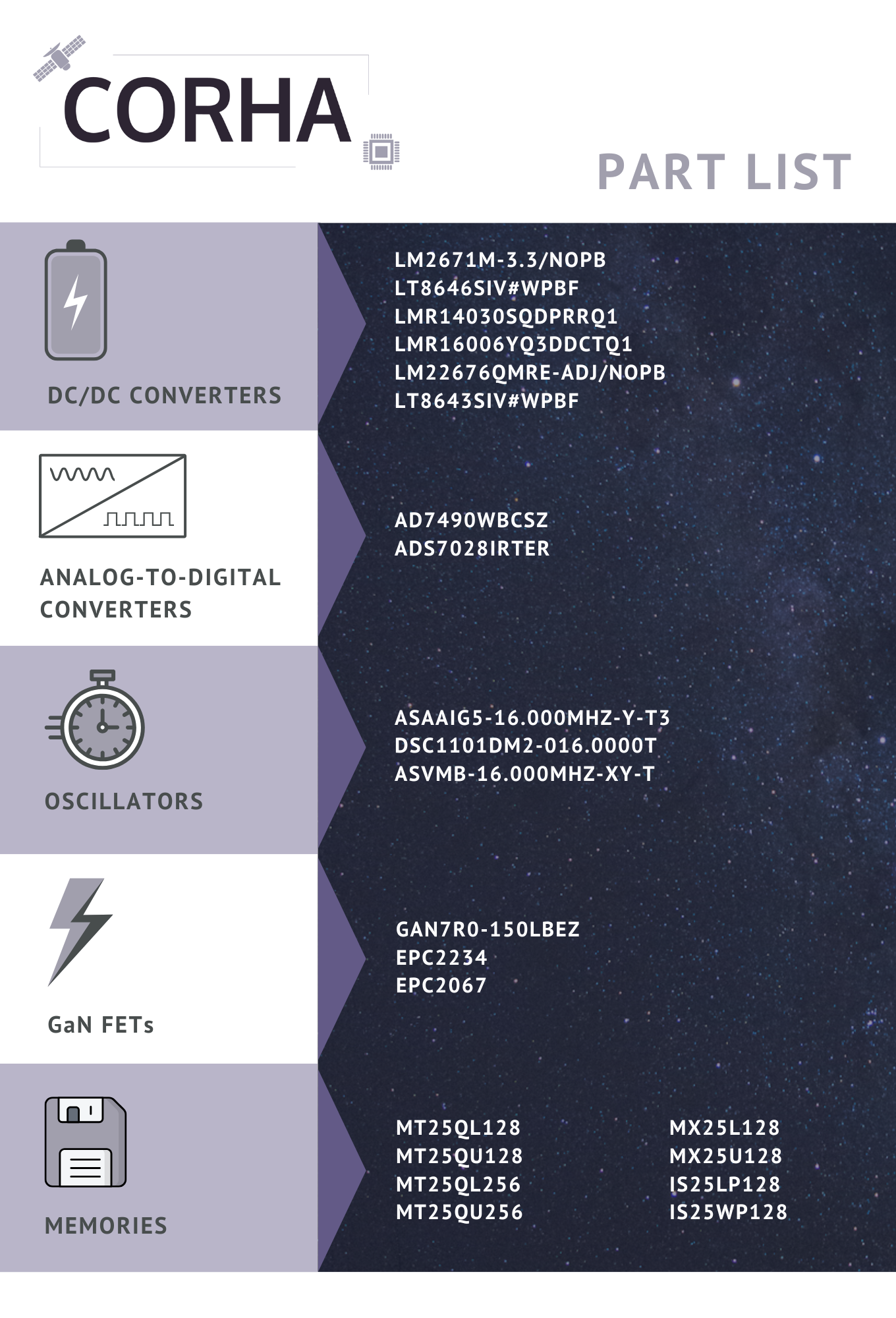
Seibersdorf Laboratories has applied TEC Laboratory capabilities in international programs — for example, ESA’s CORHA project, where TID testing of commercial off-the-shelf (COTS) operational amplifiers helped assess radiation resilience for space applications. 

Why TEC Laboratory Matters for Your Project

The expanded capabilities of the TEC Laboratory make it an essential choice when your project demands:

  • Accredited, traceable TID exposure data
  • Standards-aligned qualification reporting
  • Advanced electrical characterization under radiation
  • Repeatability and audit readiness
  • Support for space, aerospace, nuclear, and medical qualification paths

Partnering with TEC Laboratory ensures your radiation hardness testing is backed by expertly controlled infrastructure, deep technical competence, robust standards compliance, and detailed documentation ready for review and certification.


Downlaods

How SEE Laser Testing Works

SEE laser testing uses pulsed high-energy laser systems to generate localized charge carriers within semiconductor materials, simulating ionization events similar to those caused by energetic particles in space, aviation, or terrestrial radiation environments. The laboratory process typically includes: 

  1. Part Preparation:
    Devices are prepared for testing, including access to active regions (e.g., using back-side thinning or die exposure similar to heavy ion preparation).
     
  2. Pulse Generation:
    A sophisticated pulsed laser system generates short, controlled pulses with precisely configurable energy and intensity.
     
  3. Target Irradiation:
    The laser pulses are directed onto selected regions of the Device Under Test (DUT), inducing transient electrical effects that mimic radiation interactions.
     
  4. Response Measurement:
    Electrical responses of the DUT are captured and analyzed in real time to assess susceptibility to SEU, SEL, SET, and other SEE mechanisms. 

This workflow enables focused, repeatable evaluation of radiation sensitivity across specific device circuits or functional blocks.

What SEE Laser Testing Provides

Laser SEE testing at Seibersdorf Laboratories offers capabilities that significantly extend beyond basic accelerator approaches:

Technical Capabilities

  • High spatial resolution mapping: 
    Precisely locate sensitive nodes and charge collection regions within semiconductor circuits. 
     
  • SEE mechanism identification: 
    Capture and distinguish SEU, SEL, SET, and related effects through transient waveform analysis. 
     
  • Fault injection and transient studies: 
    Use laser-induced events as controlled fault injections to study dynamic circuit behavior. 
     
  • Comparative analysis: 
    Evaluate lot-to-lot variation and identify device process sensitivities that might not emerge in heavy ion campaigns. 
     
  • Real-time monitoring: 
    Observe waveform responses in real time to enhance mechanism understanding and design decisions. 

Practical Benefits for Projects

SEE laser testing offers several key benefits for development and qualification programs:

  • Accelerated design-level insight: 
    Gain early visibility into radiation vulnerabilities before committing to full accelerator testing. 
     
  • Cost-efficient screening: 
    Reduce reliance on costly beam time while maintaining meaningful SEE characterization. 
     
  • Root cause analysis: 
    Isolate failure mechanisms that are otherwise difficult to diagnose with broad-beam testing. 
     
  • Flexible configuration: 
    Easily tailor laser parameters to match different devices and functional scenarios. 

Applications of SEE Laser Testing

SEE laser testing supports a wide range of engineering objectives and qualification pathways:

  • Part screening for COTS and rad-hard components:
    Identify vulnerable parts early in product development.
     
  • Accurate event localization:
    Map where transient events are most likely to occur on circuit die layers.
     
  • Sensitive node identification:
    Discover specific physical locations and circuit structures prone to SEEs.  
     
  • Design validation:
    Confirm radiation-hardening strategies and mitigation design choices.
     
  • Mechanism studies:
    Investigate underlying physics and failure modes triggered by transient events. 
     
  • Model calibration: 
    Use high-resolution data to refine predictive SEE models and tools. 
     
  • Lot-to-lot comparison: 
    Assess manufacturing variation and consistency of SEE responses. 
     
  • Memory vulnerability mapping: 
    Evaluate and characterize memory areas susceptible to SEUs and SETs. 
     
  • Fault injection testing: 
    Simulate radiation-induced fault conditions as part of functional robustness checks. 

Complementary Role to Heavy Ion Testing

Laser SEE testing does not replace heavy ion and particle accelerator testing, which remain the gold standard for formal qualification, but it provides several complementary advantages: 

  • Precision control: 
    Adjustable laser parameters offer fine control over energy, intensity, and spot size. 
     
  • Enhanced safety: 
    Laser testing avoids the radiation hazards and shielding complexities of particle beams.  
     
  • Rapid turnaround: 
    Eliminate accelerator scheduling constraints for faster evaluation cycles. 
     
  • Versatility: 
    Laser methods can be tailored to emulate diverse radiation environments applicable to space, avionics, and terrestrial electronics. 

This complementary approach enables early risk assessment, optimization of heavy ion test plans, and informed design iterations. 

Standards & Methodology Context

While laser testing itself is not yet a standalone standardized qualification method in all regimes, it is widely recognized in the RHA community as a valuable screening and characterization technique complementary to established SEE test standards such as: 

  • ESCC Basic Specification No. 25100 — SEE test methods and conditions
  • EIA/JEDEC Standard EIA/JES57 — SEE measurement and reporting guidelines
  • MIL-STD-750 Procedure 1080 — Single event burnout and related destructive conditions

By working within these frameworks, laser testing at Seibersdorf Laboratories supports SEE characterization that feeds directly into formal qualification and mitigation plans. 

Seibersdorf Laser SEE Testing Services

At Seibersdorf Laboratories, we offer customized laser SEE testing services tailored to your project’s specific requirements — whether you are evaluating memories, logic circuits, power devices, or complex mixed-signal systems. Our services include: 

  • Test plan development and consultation
  • Device preparation and mounting
  • Pulse parameter configuration and calibration
  • Localized SEE mapping and node analysis
  • Transient waveform capture and interpretation
  • Comprehensive reporting and actionable recommendations

Our experts leverage advanced laser systems and precision instrumentation to ensure reliable, reproducible results that enhance your RHA strategy. 

Why Choose Seibersdorf for SEE Laser Testing?


  • Deep Radiation Expertise: 
    Our team combines radiation physics, electronics test engineering, and RHA experience to deliver meaningful insight. 
     
  • Advanced Facilities: 
    State-of-the-art laser systems integrated with electrical test benches provide real-time, high-resolution SEE insight. 
     
  • Standards Compliance: 
    Services align with relevant industry standards and integrate with broader TID, DD, and heavy ion qualification campaigns. 
     
  • Customized Solutions: 
    We tailor testing strategies to your technical goals, budgets, and development timelines. 
     
  • Faster Results, Lower Cost: 
    Laser-based approaches provide rapid feedback earlier in the design and qualification cycle. 

SEE Laser Test Setup & Example Use Case

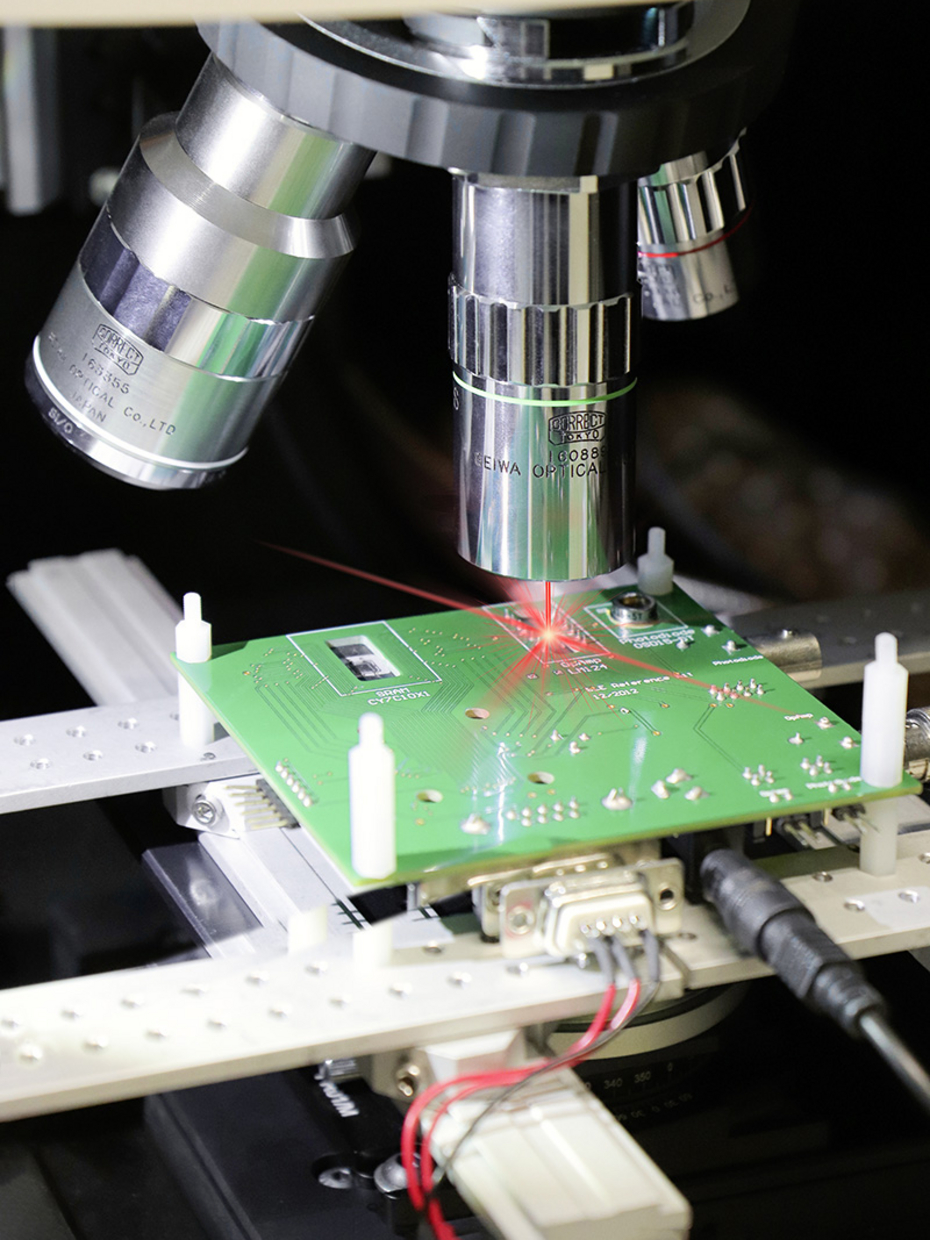
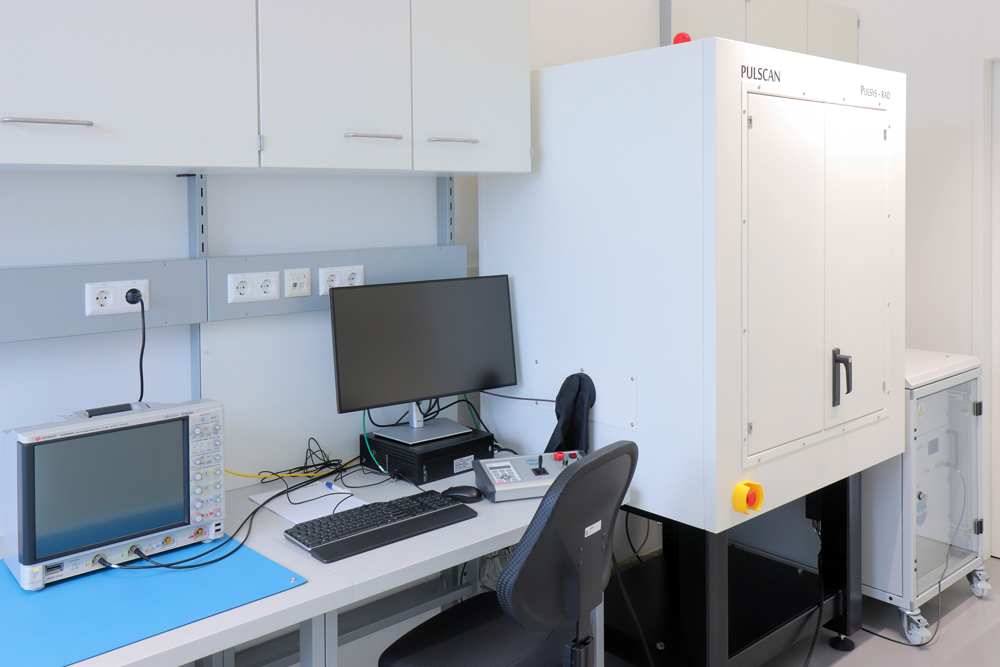
The SEE Laser Testing Laboratory supports single event effect evaluation without heavy ion accelerator access. By scanning a tunable laser across a DUT die, sensitive regions can be mapped and transient waveforms captured in real time. For example, SET signatures on a commercial operational amplifier can be observed, and both position and waveform data analyzed to inform mitigation strategies or design changes. 


Conclusion

SEE laser testing is a crucial and cost-effective RHA tool for understanding device susceptibility to ionization-related effects. At Seibersdorf Laboratories, we combine technical rigor, advanced laser infrastructure, and standards-aligned methodologies to provide comprehensive SEE characterization that enhances qualification outcomes, accelerates design cycles, and reduces program risk.

Contact US

Contact us to learn how our SEE laser testing capabilities can support your radiation assurance strategy.

to contact

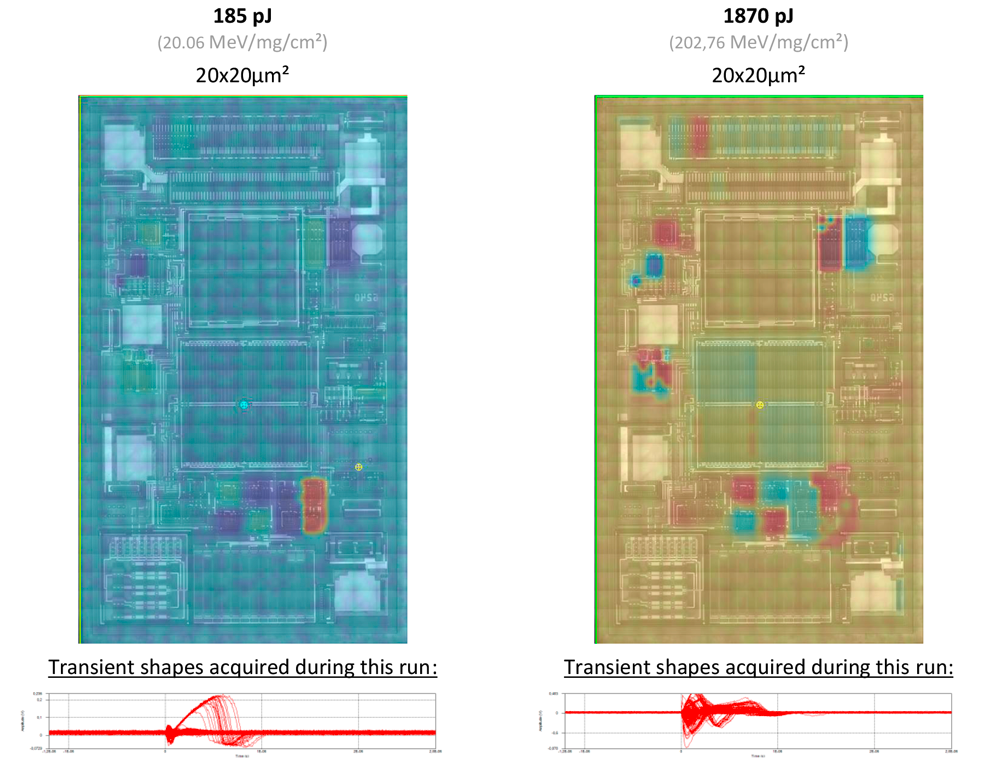
The SEE Laser Testing Laboratory Seibersdorf allows to perform single event effect testing on components using a pulsed laser source without the need of a heavy ion accelerator facility.

SEE laser testing allows to localize the sensitive regions on the chip. The example shows single event transients (SET) on a commercial operational amplifier (LTC6240). Both the position and the waveform of the transients are monitored in real-time. The tunable laser source allows to realize different LETs on the device under test.

Extended Particle Irradiation Capabilities

Certain radiation effects — especially Displacement Damage (DD) and Single Event Effects (SEE) — require specialized particle irradiations. Through our strategic network, Seibersdorf Laboratories provides coordinated access to:

  • Standard and High-Energy Heavy Ion Beams with controlled LET spectra for detailed SEE characterization and threshold analysis.
     
  • Proton Irradiation Facilities tailored for displacement damage studies and proton-induced SEE evaluation.
     
  • Neutron Sources for displacement damage assessment and activation studies relevant to space, nuclear, and high-energy environments.
     
  • Mixed Radiation Fields that replicate combinations of particles and energies found in space and accelerator scenarios. 

These external resources expand the reach of your RHA and qualification campaigns while being fully coordinated and quality-controlled as part of your overall test strategy.

A One-Stop Solution

With strategic partnerships with state-of-the-art particle accelerator facilities, Seibersdorf Laboratories is your one-stop radiation testing partner — enabling a seamless experience across internal infrastructure and external particle facilities:

  • We define the test program, including objectives, radiation conditions, and applicable standards.
     
  • We manage all coordination with external facilities, so you deal with a single technical contact.
     
  • We ensure all testing — whether performed internally or externally — complies with relevant industry standards and result requirements. 

This enables you to maintain continuity of quality, documentation, and accountability throughout the entire radiation campaign lifecycle.

Priority Access to Beam Time & Efficient Scheduling

Long-term collaborations with partner facilities give our customers priority access to regular beam time slots. This means:

  • Faster scheduling of critical particle irradiation campaigns
  • Reduced waiting times compared to ad-hoc access models
  • Flexible planning that matches your development timelines
  • High-priority support due to established cooperation and mutual trust

Whether you require heavy ion testing for high-LET SEE or proton/neutron displacement damage exposure, Seibersdorf Laboratories ensures efficient access and smooth integration into your RHA program.

Unified Test Program Coordination

We manage every aspect of your project across facilities — ensuring a coherent, qualification-ready output:

  • Test Specification & Planning
    We define required exposures, energy spectra, particle types, and test conditions to meet your mission profile and industry standards (e.g., ECSS, ESCC, MIL-STD).
     
  • Beam Parameter Optimization
    We select proper beam energies, fluences, dose rates, and LET thresholds to match real radiation environments relevant to your application.
     
  • On-Site Technical Oversight
    Where necessary, our engineers support test setup and DUT (Device Under Test) configuration at external facilities, ensuring correct execution.
     
  • Consolidated Data Evaluation
    Results from internal and external campaigns are normalized and jointly analyzed using consistent metrics and statistical approaches.
     
  • Harmonized Reporting Under Single Quality Framework
    Final documentation is delivered as a cohesive, traceable report that supports qualification boards, certification authorities, and internal review processes.

Standards-Aligned Quality Assurance

Seibersdorf Laboratories ensures all irradiation — internal or external — conforms to relevant industry standards, strengthening your qualification confidence and search visibility for key phrases like:

  • heavy ion radiation testing standards
  • proton displacement damage qualification
  • neutron irradiation in RHA
  • ECSS and ESCC radiation test compliance

Examples of standards we align with include:

  • ESCC Basic Specification No. 25100 — SEE testing guidance.
  • ESCC 22500 — displacement damage irradiation methodology.
  • MIL-STD-750 & MIL-STD-883 — particle irradiation and damage test protocols.
  • JEDEC/EIA JESD89 & JES57 — SEE measurement and reporting. 

By integrating these standards across in-house and external tests, we ensure your results are qualification-ready, defensible, and fully traceable for mission assurance or certification.

Why This Matters to You

Partnering with Seibersdorf Laboratories for your network-enabled radiation testing gives you:

  • End-to-end RHA support — from internal gamma and laser testing to advanced particle irradiations. 
  • Qualified, traceable results that meet review and certification requirements.
  • Single technical coordination point across internal and external facilities.
  • Priority access to advanced beam sources through established collaborations.
  • Comprehensive reporting aligned with customer and industry expectations.

This model removes complexity, accelerates development schedules, and reduces risk — enabling you to focus on your mission while we handle the technical orchestration and quality assurance of your radiation testing program.

Typical Use Cases Supported


  • Space electronics qualification requiring heavy ion, SEE, and proton exposure.
  • Nuclear system hardness certification involving neutron displacement damage.
  • Aerospace and defense programs with mixed radiation environment needs.
  • High-reliability industrial systems where diverse particle effects must be assessed.

By leveraging our network in combination with in-house facilities like the TEC Laboratory and SEE laser capabilities, we provide a comprehensive, standards-aligned radiation assurance ecosystem that supports the full lifecycle of your product qualification and risk mitigation.

SATDOS — In-Orbit Radiation Effects Monitor

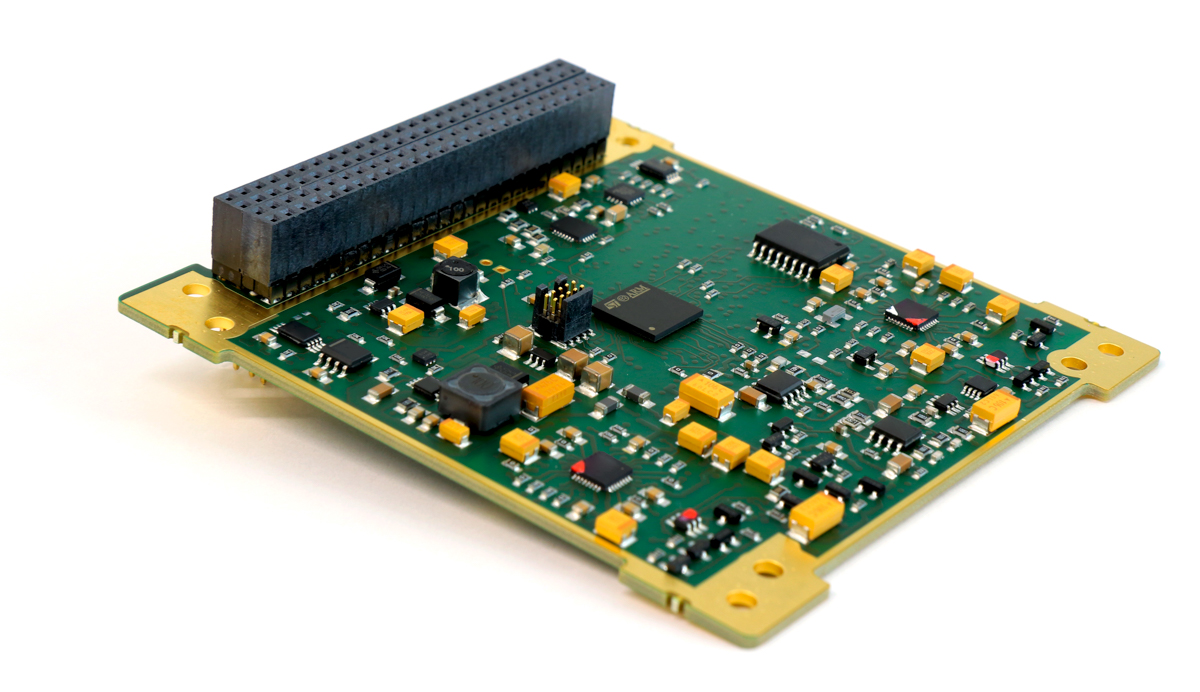
SATDOS Reference Dosimeter Platform for nanosatellites, engineered to monitor and evaluate the impact of space radiation on spacecraft electronic systems. The image showcases SATDOS for PRETTY, a specialized version tailored for the ESA PRETTY mission, which successfully operated in orbit and collected valuable radiation data essential for assessing space environment effects.

SATDOS poster

What SATDOS Measures

In-Orbit Total Ionizing Dose (TID)

SATDOS continuously tracks the accumulated radiation dose received by spacecraft over the course of a mission — a fundamental metric for assessing how ionizing environments degrade electronic components and affect system reliability. 

This in-orbit TID measurement provides essential validation of ground-based dose predictions and accelerates confidence in design margins and shielding strategies. 


Real-Time Dose Rate Monitoring

By monitoring the radiation dose rate throughout the orbit, SATDOS reveals how exposure varies with location, altitude, and space weather conditions — including high-radiation regions such as the South Atlantic Anomaly (SAA) and during solar particle events

This real-time capability supports proactive operational decisions and enhances mission resilience against transient space weather hazards.

In-Orbit Single Event Effects (SEE) Detection

SATDOS detects and records Single Event Effects — such as Single Event Upsets (SEU) — by using radiation-sensitive SRAM detectors configured to distinguish events caused by different particle energies. 

SEE rate data gathered in orbit complements laboratory SEE testing and helps quantify the likelihood and distribution of transient errors under actual mission conditions, feeding back into design and mitigation planning.

Why SATDOS Matters for Customers

SATDOS provides a suite of mission-critical insights that are uniquely valuable for space systems developers, satellite operators, and qualification teams:

Real-Time Radiation Awareness
SATDOS can be used as a real-time radiation monitor in orbit, enabling proactive responses to increased radiation levels, such as those caused by solar storms or space weather events, which can threaten satellite electronics.

Lifetime Dose and Fleet Monitoring

By tracking accumulated dose over time, SATDOS supports lifetime dose monitoring for individual spacecraft and entire constellations or satellite fleets, helping operators assess end-of-life degradation and plan smarter maintenance or replacement strategies.

In-Orbit Radiation Testing of Electronics

SATDOS enables in-orbit radiation testing of electronic components under actual space conditions, providing valuable data that complements ground-based irradiation campaigns and informs hardening strategies.

Model Validation & Verification

Real orbital measurements of TID and SEE rates help validate and refine radiation environment models and simulation tools, improving the accuracy of mission predictions and qualification test plans.

Mission Assurance & Qualification Evidence

In-orbit data from SATDOS can strengthen mission assurance documentation, support design reviews, and serve as objective evidence of environmental exposure for stakeholders and certifying bodies.

Qualified & Proven Flight Heritage

SATDOS has demonstrated its capability in space on the PRETTY CubeSat mission. As a reference dosimeter payload, SATDOS provided authoritative measurements of the radiation dose environment and SEE activity that contributed to assessing mission reliability and environmental effects in orbit. 

This heritage not only confirms the operational performance of SATDOS hardware in space but also underlines its value for future missions seeking empirical radiation environment data.

Application Scenarios for SATDOS

SATDOS can be integrated into a wide range of mission types and operational goals, including:

  • Operational risk mitigation: 
    Immediate alerting and analysis during space weather events.
     
  • Design lifecycle support: C
    ross-validating ground test assumptions with in-orbit exposure data.
     
  • Fleet and constellation reliability:
    Tracking radiation dose accumulation across multiple spacecraft.
     
  • Technology demonstration missions: 
    Providing empirical environment data to validate new sensor technologies.

Educational and scientific satellites: Offering radiation monitoring support for research and technology education missions.

Technical Integration & Platform Compatibility

SATDOS is engineered for seamless integration into nanosatellite and CubeSat platforms through standard interfaces and autonomous operation. Its compact design and efficient data handling allow long-term radiation monitoring with minimal impact on spacecraft resources, making it suitable for missions with stringent mass and power budgets.

Internal shielding strategies and multiple sensor types enable discrimination of particle contributions to total dose, while autonomous data capture and onboard storage allow comprehensive logging before transmission to ground stations for analysis. 

Enhancing Your Radiation Assurance Strategy

By providing real-world in-orbit radiation environment data, SATDOS bridges the gap between ground-based qualification testing and actual mission conditions. This elevates the accuracy of your radiation models, improves confidence in mission predictions, and enhances the robustness of system design and mitigation measures.

Incorporating SATDOS into your mission planning empowers:

  • Better understanding of space radiation dynamics
  • More confident design and shielding decisions
  • Evidence-based qualification reporting
  • Reduced program risk and uncertainty

Interested in SATDOS for Your Space Mission?

Contact us to discuss how SATDOS can be tailored to your satellite or constellation project and used to provide valuable insights into the in-orbit radiation environment, electronics reliability, and mission assurance strategy. 

to contact

Radiation Hardness Assurance

Outreach, ESA Projects & References

Seibersdorf Laboratories actively contributes to European and international Radiation Hardness Assurance initiatives. As a trusted partner in ESA-related projects and collaborative research programs, we support the development of harmonized testing methodologies, COTS reliability assessment strategies, and improved qualification standards.

Our project results are not confined to internal reports — many outcomes are shared with the broader radiation effects community through publications, workshops, databases, and conference contributions. This ensures transparency, scientific validation, and continuous advancement of radiation testing methodologies.

Beyond project work, we actively participate in international conferences, expert panels, and technical working groups — strengthening our position within the global radiation effects and space electronics community.

Reliable COTS, Sustainable Space - Powered by CORHA

ESA CORHA-2 Project

Reliable COTS, Sustainable Space – Powered by CORHA

Building on the success of its predecessor, CORHA, the CORHA-2 project is an ESA-funded initiative led by Seibersdorf Laboratories with the University of Padova. CORHA-1 initially set the groundwork by testing COTS components for radiation resilience and established RHA (Radiation Hardness Assurance) approaches to enable cost-effective, reliable use of commercial technology in European space missions​ [1][2][3][4].

CORHA-2, officially launched on October 31, 2024, expands this vision over three years, pushing the frontiers of reliability for COTS components through advanced radiation testing, database transparency, and AI-driven predictions.

Key Project Details

  1. Component Selection
    CORHA-2 focuses on selecting critical electronic components such as III-V semiconductors, data converters, memory devices, oscillators, and other high-demand technologies essential for space missions.
     
  2. Advanced Radiation Testing
    Testing methodologies from CORHA-1 are refined and expanded in CORHA-2, which uses Total Ionizing Dose (TID) and Single Event Effects (SEE) testing with heavy ions and pulsed lasers to simulate space radiation effects on COTS.
     
  3. Open Access Database
    CORHA-2’s radiation testing data will be available in a publicly accessible database, offering industry stakeholders detailed insights and promoting transparency.
     
  4. AI-Enhanced RHA
    The project integrates machine learning to improve predictive accuracy, enhancing the efficiency of radiation hardness assurance processes.
     
  5. Guidelines for Low-Cost Missions
    CORHA-2 builds on the foundational guidelines of CORHA-1, providing updated best practices for using COTS on low-cost space missions to support European space industry advancements.

Selected Components

The following components were selected for TID and SEE testing in the CORHA-2 project, chosen from over 100 submissions by the European space industry during the project's first phase:


Contact us

For more information about CORHA-2, including potential collaborations, data access, or testing inquiries, please email us at corha(at)s-l.at .


Stay informed

For project news and updates, follow us on LinkedIn: CORHA-2 Project News on LinkedIn 

CORHA-2 sets new standards for reliability, cost efficiency and sustainability in space technology. Join us in shaping the future of COTS in space research!

[1] https://indico.esa.int/event/444/contributions/7793/attachments/5317/8527/Tscherne_CORHA_ESA_FPD_v1.0.pdf


[2] C. Tscherne et al., “Testing of COTS Operational Amplifier in the Framework of the ESA CORHA Study,” 2020 20th European Conference on Radiation and Its Effects on Components and Systems (RADECS), Toulouse, France, 2020, pp. 1-7, doi: 10.1109/RADECS50773.2020.9857692.


[3] M. Wind et al., “Testing of COTS Multiplexer in the Framework of the ESA CORHA Study,” 2021 21st European Conference on Radiation and Its Effects on Components and Systems (RADECS), Vienna, Austria, 2021, pp. 1-7, doi: 10.1109/RADECS53308.2021.9954531.


[4] M. Wind et al., “SEE Testing of COTS Microcontroller and Operational Amplifier in the Framework of the ESA CORHA Study,” 2022 22nd European Conference on Radiation and Its Effects on Components and Systems (RADECS), Venice, Italy, 2022, pp. 1-8, doi: 10.1109/RADECS55911.2022.10412391.


RADHARD Symposium

The RADHARD Symposium is an international forum dedicated to radiation effects in electronics and Radiation Hardness Assurance organized by Seibersdorf Laboratories.

Hosted with the goal of strengthening collaboration between research institutions, industry, and space agencies, RADHARD provides:

  • Technical presentations on TID, SEE, and DD
  • Insights into new radiation testing methodologies
  • Updates on standards and qualification practices
  • Networking opportunities within the radiation community

The symposium proceedings and program contributions demonstrate our active role in shaping radiation effects research and qualification strategies.

Visit the RADHARD Symposium section for programs, proceedings, and event information: www.radhard.eu 

Publications & Scientific Contributions

Seibersdorf Laboratories maintains strong ties to the international radiation effects and dosimetry community. Our experts regularly publish and present on topics including:

  • Radiation Hardness Assurance methodologies
  • Radiation Hardness Assurance Test Results
  • Data Workshops
  • Dosimetry methods and calibration
  • Intercomparison campaigns and measurement validation

Many of our technical contributions are available through recognized platforms such as IEEE Xplore and international conference proceedings.

By continuously publishing test results, validation studies, and methodological advancements, we ensure that our work is scientifically reviewed, internationally benchmarked, and aligned with the latest developments in radiation testing and qualification.

https://ieeexplore.ieee.org/search/searchresult.jsp?newsearch=true&queryText=seibersdorf%20laboratories

Frequently Asked Questions

FAQ - Radiation Hardness Assurance (RHA)

Radiation Hardness Assurance is a comprehensive engineering process to ensure electronic components and systems continue to perform reliably when exposed to ionizing radiation in demanding environments. It includes environment definition, effects testing (TID, DD, SEE), analysis, mitigation, and standards-aligned qualification.

RHA helps prevent mission failures, functional errors, and safety incidents by characterizing how radiation impacts electronics — allowing you to quantify risks, design mitigation strategies, and provide defensible qualification data. 

RHA focuses on:

  • Total Ionizing Dose (TID) — cumulative ionization damage,
  • Displacement Damage (DD) — structural lattice degradation,
  • Single Event Effects (SEE) — transient or destructive events from single particles.

TID refers to the cumulative damage that ionizing radiation deposits in semiconductor materials over time, which can shift electrical parameters and degrade performance.

When your system has a long operational life or is expected to accumulate significant dose — such as in space, nuclear, or medical environments. 

DD is damage caused by particles (like protons and neutrons) displacing atoms in a device’s crystal lattice, affecting gain, dark current, or detector efficiency. 

SEE are instantaneous failures from individual high-energy particle strikes — including bit flips (SEU), latch-ups (SEL), transients (SET), and functional interruptions (SEFI).

SEE testing provides data on how often and at what energy thresholds radiation-induced errors occur, informing soft error rate (SER) predictions and design mitigation strategies.

Yes — even at ground level, secondary cosmic radiation (e.g., neutrons) can induce soft errors in advanced semiconductor devices, making RHA relevant for industrial, automotive, and data infrastructure electronics. 

FIT is a reliability metric estimating how many radiation-induced failures are expected per billion device-hours, useful for reliability and safety analyses.

Radiation environments are quantified based on orbit, altitude, shielding, and operational context, producing particle spectra and fluence profiles that shape testing and simulation plans.

Common frameworks include ECSS-Q-ST-60-15C (space RHA), ESCC Basic Specifications (TID, DD, SEE), and relevant MIL-STD methods — each adapted to your application and industry.

A core European RHA standard defining requirements for RHA programs, addressing TID, DD (TNID), and SEE for space electronic components.

Yes — RHA is typically contractual and technical requirement for space programs to ensure electronics meet reliability and safety expectations. 

RHA also covers environment definition, part selection, circuit design review, risk analysis, mitigation strategy, and traceable documentation. 

Commercial-off-the-shelf parts often lack formal radiation data, so RHA enables defensible evaluation, screening, and qualification tailored to your mission or application needs.

As early as possible — ideally during concept and design phases — so radiation risks can inform part selection, architecture, and mitigation strategies.

Yes and No — shielding can lower accumulated exposure levels, but its effectiveness and trade-offs must be assessed as part of the environment definition and design analysis. Some space-related SEE cannot be shielded effectively.

A tailored RHA program that aligns with your specific operational environment, mission timeline, and system performance goals.

Soft Error Rate (SER) estimates how frequently transient errors (e.g., SEUs) may occur under a given radiation environment, critical for reliability predictions.

By defining test conditions, dose rates, measurement checkpoints, and reporting structures, standards such as ESCC and MIL-STD ensure test results are traceable and fit for qualification reviews.

Space, aviation & avionics, nuclear & accelerators, medical & nuclear medicine, semiconductor, automotive, industrial infrastructure, and safety-critical systems.

Simulation (Monte Carlo/transport modeling) enhances understanding and planning but complements rather than replaces controlled irradiation testing.

Traceable documentation supports qualification boards, audits, certification processes, and risk acceptance decisions.

A physics-based representation of the expected radiation spectrum and fluence your system will see in service — used for test planning and qualification.

Yes — environment definition often includes shielding analysis and cumulative dose prediction to shape test conditions and design margins.

DDD is another term for non-ionizing energy loss (TNID) used to quantify displacement damage in materials and devices.

Because SEE susceptibility and impact depend on particle spectral content, shielding conditions, and functional operational modes.

By providing quantified degradation and event rate data, RHA enables informed design choices, risk mitigation planning, and compliance-ready evidence for internal and external reviews.

ePortal Login

Digital service platform for simple and clear document management in radiation protection.

Login
Academy Login

Course booking platform - book courses online!

Login
Website Login

Protected area for authorized users.

Login