Why Accreditation Matters in Radiation Testing
Why Accreditation Matters in Radiation Testing
For electronic components used in space, avionics, and other radiation-critical environments, reliable radiation test data are essential. Engineering decisions and qualification activities depend on results that are reproducible and traceable.
A peer-reviewed IEEE publication by Seibersdorf Laboratories examines this topic using a Total Ionizing Dose (TID) test facility operated under EN ISO/IEC 17025 as an example, illustrating how accreditation requirements are implemented in practice.
Link: https://ieeexplore.ieee.org/document/9328729
From Radiation Exposure to Reliable Test Data
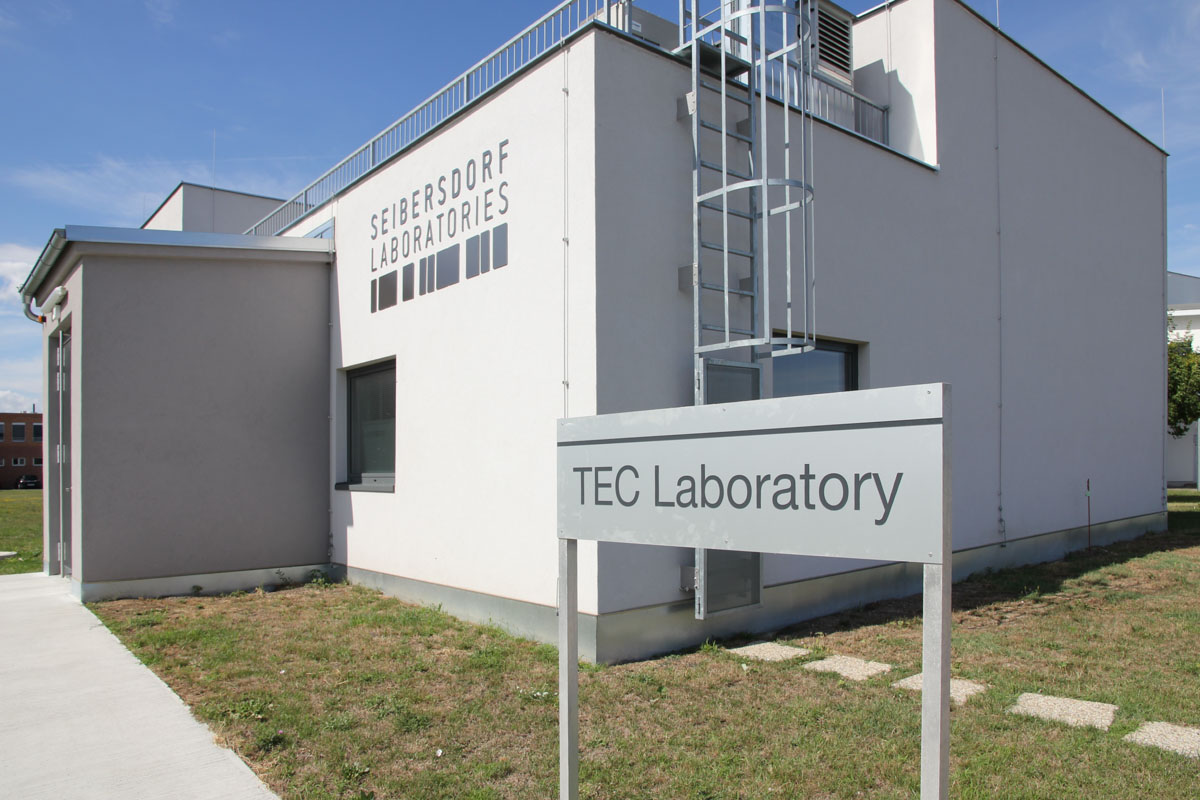
While TID testing is a core element of Radiation Hardness Assurance (RHA), its validity depends on several factors, including irradiation field uniformity, scattering and backscatter effects, personnel competence, and a traceable dosimetry concept. The paper describes the TEC-Laboratory, a state-of-the-art Cobalt-60 irradiation facility, and details how these aspects are addressed through field characterization, Monte-Carlo simulations, and accredited procedures.
The study shows how accredited radiation testing translates into engineering-relevant data, suitable for qualification, procurement, and reliability assessments in aerospace applications.