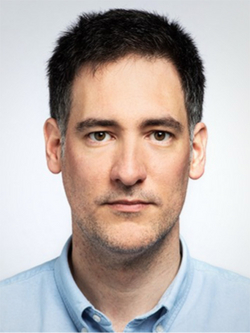
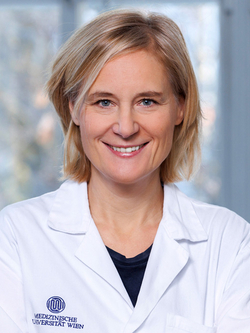
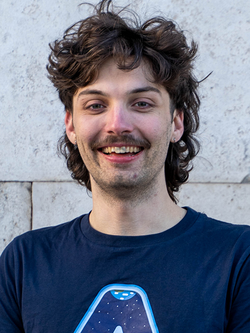
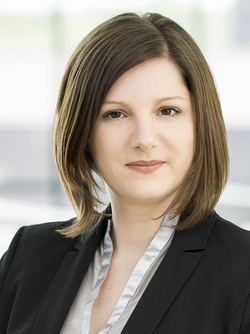
Inaugural Event of the RadPharm Conference Series

RadPharm – Space meets Pharma

With the RadPharm conference series, we are creating an innovative bridge between space technology and pharmaceutical research and production. RadPharm brings together decision makers and experts from space, biotechnology, clinical research and pharmaceutical production to provide new perspectives for:

  • Drug research in MicroGravity environments
  • Interdisciplinary collaborations
  • Project impulses at the interface of life sciences and space technology

RadPharm is not just an annual event - it is an engine of innovation.


register now

BG Punkte Kreis weiß
"From SpaceLab to the Bedside"

Alzheimer's R&D in Microgravity


6 October 2026,
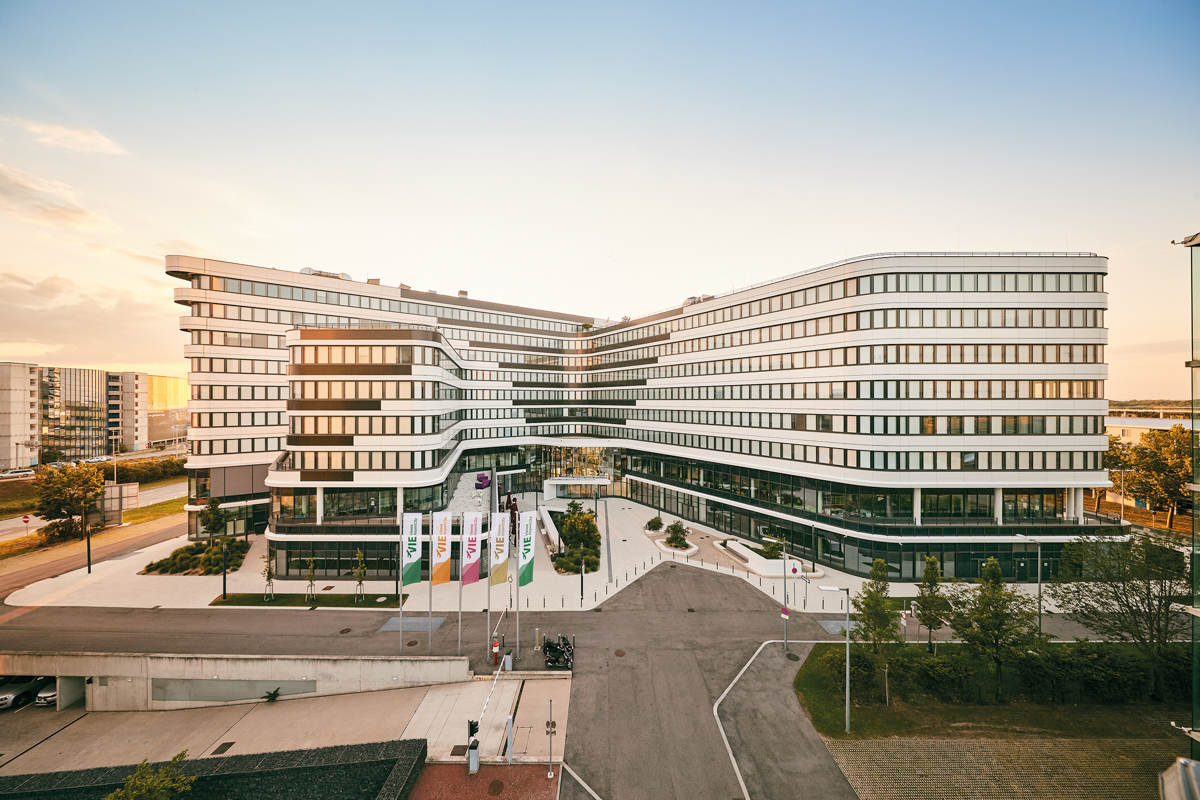
Vienna Airport Conference & Innovation Centre


to the registration

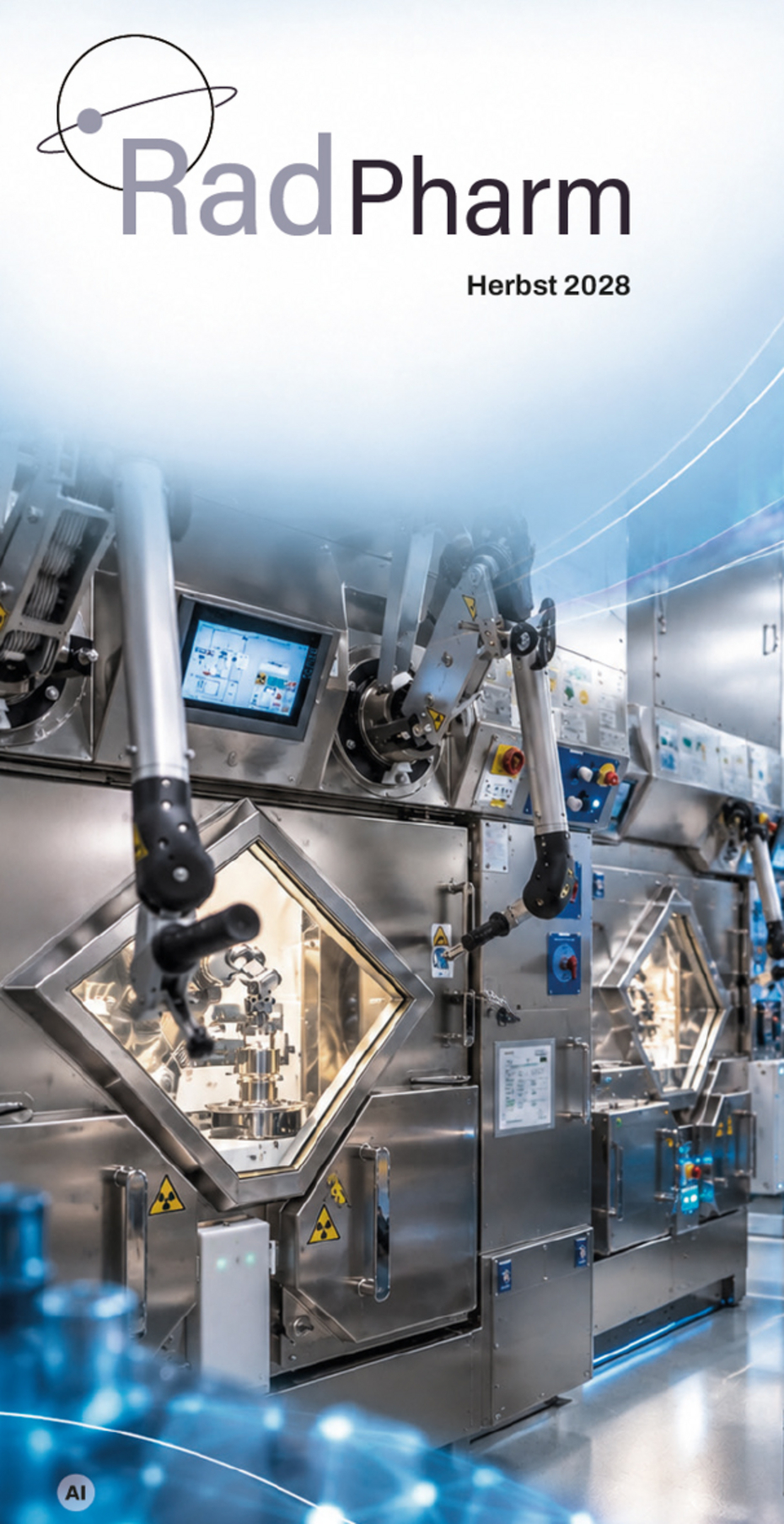
Save-the-date brochure

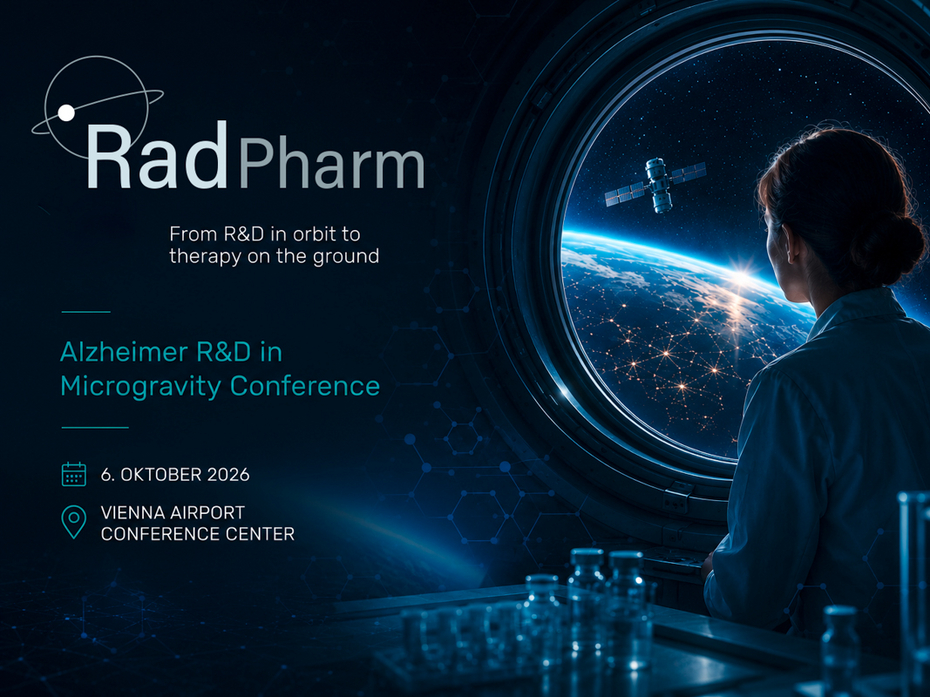
RadPharm Alzheimer $&D in Microgravity Conference, 6.Oktober 2026 , Vienna Airport Conference Center

Join us on this journey:

When fundamental research takes off – and therapies gain new perspectives. 

The RADPHARM conference series launches with a visionary inaugural event at the intersection of neurology, nuclear medicine, space research and radiopharmacy.
 

Focus:

How research in microgravity can generate new insights for Alzheimer’s diagnostics and therapy – and how these findings may benefit patients in the future.

Key Topics

  • Projects at the Intersection of Space Exploration and Medicine
    Jens Jordan (German Aerospace Center)
     
  • Alzheimer Research on the Ground
    Current state of research, unmet needs and clinical perspectives,
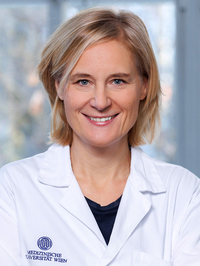
    Elisabeth Stögmann (Medical University of Vienna)
     
  • Alzheimer Research in Space
    Microgravity as an accelerator of biological discovery,
    Sergi Vaquer Araujo (ESA)
     
  • Microbiome, Neurodegeneration & Space Research
    New hypotheses, new models, new data,
    Patrick Finzer (University Düsseldorf)
     
  • Oasis Alpha takes off
    What it takes, to send research into orbit,
    Julian Rothenbuchner (Tumbleweed)
     
  • Radiodiagnostics & Radiopharmaceuticals
    Production today in Seibersdorf – tomorrow in space?
    Kerstin Rumpelmayr (Seibersdorf Laboratories)
     
  • Data Transfer from Space
    Upstream & downstream: from orbital experiments to clinical applications,
    Christoph Tscherne (Seibersdorf Laboratories)
     
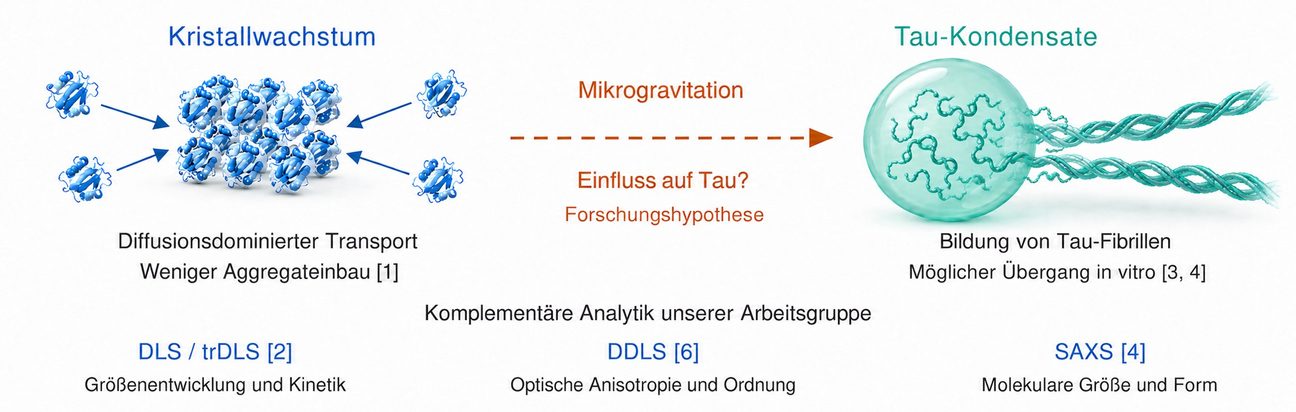
  • Protein Folding in Microgravity
    N.N.

High-Level Expert Panel

The Future of Alzheimer's Research – Space, AI and Precision Medicine

We would like to discuss with representatives from academia, the space industry, data science, and industry which developments will shape Alzheimer’s research in the coming years and how innovations—from AI-supported diagnostic methods to new therapeutic approaches—can find their way into clinical practice.

  • International Alzheimer expert of the Medical University of Vienna, Elisabeth Stögmann
  • ESA, Sergi Vaquer Araujo
  • ESA Phi-Lab Austria, Michael Moll
  • Seibersdorf Laboratories, Christoph Tscherne
  • Expert in microbiome and neurodegeneration, Patrick Finzer
  • Tumbleweed, Co-Founder & CEO, Julian Rothenbuchner
  • Seibersdorf Laboratories, Kerstin Rumpelmayr

The expert panel will be moderated by Robert Görke (Head of Pharma & Healthcare, d-fine)

Target Audience

Nuclear medicine physicians • Neurologists • Radiopharmaceutical experts

Science and industry at the intersection of Space × Health

Preliminary Program


6 Oktober, 2026

08:30 - 09:00 UhrRegistration & Welcome Coffee
09:00 - 09:15 UhrWelcome
09:15 - 09:30 UhrResearch at the Intersection of Space Exploration and Medicine for Health in Space and on Earth: Focus on the Nervous System
Jens Jordan (Deutsches Zentrum für Luft- und Raumfahrt / German Aerospace Center)
09:30 - 09:50 UhrAlzheimer's Research in Space: Microgravity as a Catalyst for Biological Discoveries
Sergi Vaquer Araujo (ESA) 
09:50 - 10:10 UhrAlzheimer's in a Time of Change – New Drugs, New Guidelines, New Perspectives
Elisabeth Stögmann (MedUni Wien)
10:10 - 10:30 UhrUnravel the impact of microbiota on the development of Alzheimer's disease under microgravity
Patrick Finzer (Uni Düsseldorf)
10:30 - 10:50 UhrProtein Folding in Microgravity
N.N.
10:50 - 11:30 UhrCoffee Break & Networking
11:30 - 12:00 UhrOasis Alpha Takes Off – What It Takes to Send Research into Orbit
Julian Rothenbuchner (Tumbleweed)
12:00 - 12:10 UhrRadiodiagnostics & Radiopharmaceuticals—Production Today in Seibersdorf—Tomorrow in Space?
Kerstin Rumpelmayr (Seibersdorf Laboratories)
12:10 - 12:30 UhrData Transfer from Space - Upstream & Downstream: From Orbital Experiments to Clinical Application
Christoph Tscherne (Seibersdorf Laboratories)
12:30 - 12:50 UhrQuantum Advantage 
What Quantum Computing, Sensing, and Communication Can Contribute to Pharmaceutical Research
Clemens Wagner-Bruschek und Juliane Brümmer (d-fine)
12:50 - 14:00 UhrLunch
14:00 - 14:10 UhrIntroduction to the Panel of Experts
14:10 - 15:15 UhrKeynote & Expert Panel
15:15 - 15:30 UhrShort Break
15:30 - 15:50 UhrKenneth Savin (BioOrbit)
15:50 - 17:00 UhrVisit of the Esa Phi-Lab Austria
18:00 UhrDeparture for the Networking Dinner

Automatically translated with Deepl

Speakers

Arrow left
Arrow right
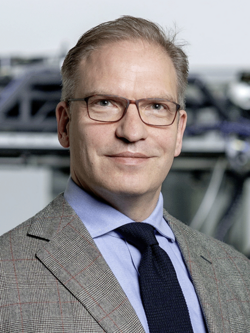
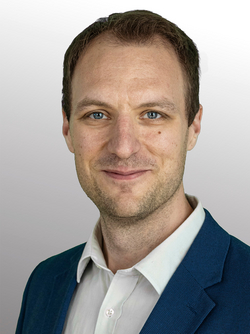
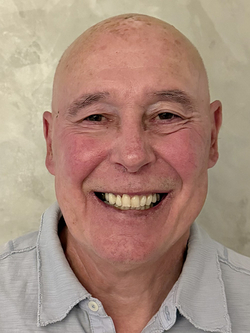
(c) Jens Jordan

Univ.-Prof. Dr. med. Jens Jordan

To Abstract
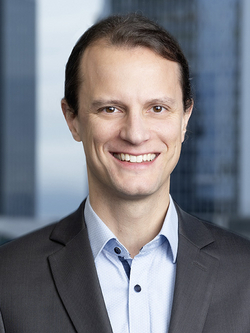
(c) Patrick Finzer

Dr. Dr. Patrick Finzer

To Abstract
(c) Kerstin Rumpelmayr

Dr. Kerstin Rumpelmayr

To Abstract
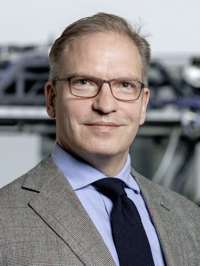
(c) Christoph Tscherne

Mag. DI Christoph Tscherne

To Abstract
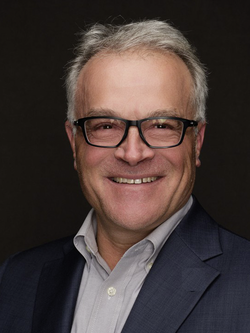
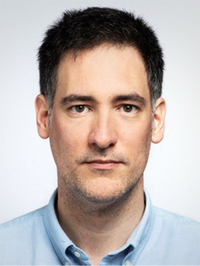
(c) Kenneth Savin

Dr. Kenneth Savin

To Abstract
[The “Speakers & Abstracts” section is being updated regularly]

Speakers & Abstracts

Abstract

Research at the Intersection of Space Exploration and Medicine for Health in Space and on Earth: Focus on the Nervous System

Prof. Jens Jordan, M.D., Director, Institute of Aerospace Medicine, German Aerospace Center (DLR), Cologne, Germany

The extreme environment of space, particularly microgravity, cosmic radiation, and isolation, poses a challenge to human health, yet at the same time offers unique opportunities for biomedical research and development. Adaptive processes and pathophysiological changes in the nervous system, including Spaceflight-Associated Neuro-ocular Syndrome (SANS), sensorimotor and autonomic dysfunction, and radiation-induced damage- are the focus of current research. DLR combines space missions with highly controlled terrestrial models to investigate the underlying mechanisms and develop effective countermeasures in collaboration with ESA and NASA. These include both modern radiation measurements during space missions and advanced human studies in highly controlled terrestrial models at :envihab, such as bed rest studies in the head-down position and isolation studies.

The insights gained and technologies developed as a result make an important contribution to the health, performance, and safety of astronauts on future space missions. At the same time, they are being specifically applied to terrestrial applications, such as neuromuscular rehabilitation for children and the promotion of healthy aging. Furthermore, microgravity opens up new possibilities for the research and, in the future, the production of regenerative and cell-based therapies, including organoid-based methods, and could thus significantly advance the development of innovative biomedical and pharmaceutical technologies.
 

Biography

Univ.-Prof. Dr. med. Jens Jordan

Jens Jordan is Director of the Institute of Aerospace Medicine at the German Aerospace Center (DLR) and Professor of Aerospace Medicine at the Faculty of Medicine at the University of Cologne. After completing his training as an internist and clinical pharmacologist, he devoted himself to researching the regulation of the cardiovascular system and the mechanisms underlying cardiometabolic diseases. His current research focuses on the effects of microgravity, radiation, and other environmental stressors on humans, as well as on the development of countermeasures for human spaceflight. In doing so, the institute combines space missions with terrestrial human studies and translational research to apply findings to improve human health both in space and on Earth. Jens Jordan is the author of more than 500 scientific publications and is actively involved in national and international collaborations in the field of aerospace medicine.
 

Automatically translated with Deepl

Abstract

Unravel the impact of microbiota on the development of Alzheimer's disease under microgravity

A hallmark feature of neurodegenerative diseases, such as Alzheimer´s or Parkinson´s disease, is the presence of aberrant protein aggregates in the brain and other organs. Their primary constituents, amyloid proteins, have emerged as crucial players in the etiopathogenesis of neurodegeneration. Interestingly, human amyloid proteins appear to be molecules which possess also antimicrobial functions.  
In the meantime, various microbial organisms from the oral and the gut microbiome have been linked to these diseases. Interestingly, numerous microbes of the oral cavity and the gut are also known to produce amyloidogenic proteins.  
Since microgravity has been shown to assist in the exploration of human amyloid proteins, this environmental condition could be very attractive for the study of microbial amyloids, too. The same holds true for the investigation of neuroinflammation, oxidative stress and the role of mitochondrial dysfunction, all further hallmarks of the development of Alzheimer´s disease.  
However, studying the connection between neurodegenerative diseases and the microbiome under microgravity is a highly interdisciplinary problem involving microbiology, neuroscience, space biology, immunology, and bioengineering. 

Biography

Dr. Dr. Patrick Finzer


After studying medicine and philosophy, Patrick Finzer worked at the German Cancer Research Center (DKFZ) in the Department of Applied Tumor Virology (ATV) and completed his habilitation at the University of Heidelberg. He is a board-certified specialist in microbiology and infectious disease epidemiology, as well as in laboratory medicine. After working at national and international medical laboratories, he founded his own diagnostic laboratory, “dus.ana,” in Düsseldorf in 2019. In addition, he leads a research group at the University of Düsseldorf focusing on the medical aspects of the human oral and genital microbiome.
 

Automatically translated with Deepl

Abstract

Radiodiagnostics & Radiopharmaceuticals – Production Today in Seibersdorf, Tomorrow in Space?

With the pointedly worded title of my presentation, I would like to address the core theme of our conference.

Taking today’s challenges in radiopharmacy as our starting point, we will venture a look into the future. What possibilities does research in microgravity open up? How can the technologies established in Seibersdorf and the radiopharmaceutical expertise contribute to this field in the future?

The requirements for GMP-compliant manufacturing of radiopharmaceuticals will continue to rise in the future, particularly in light of the new development and production opportunities we are exploring today. The range of necessary services—from process development and quality control to clinical production—will grow in importance. In my presentation, I will also provide a brief overview of our company’s current contributions to the development of innovative radiodiagnostics and radiotherapeutics.

After all, the foundation for tomorrow’s medicine is already being laid today, including here in Seibersdorf.


Biography

Dr. Kerstin Rumpelmayr

Dr. Kerstin Rumpelmayr is the Business Unit Manager for Radiopharmaceuticals at Seibersdorf Labor GmbH. After many years at international biopharmaceutical companies, she is now responsible for the development and GMP manufacturing of innovative radiopharmaceuticals in Seibersdorf. Together with her team, she helps make new radiopharmaceutical products available for clinical use, thereby continuously advancing patient care. Today, she provides insights into the current capabilities of Seibersdorf Labor GmbH and offers a glimpse into the future of radiopharmacy.


Automatically translated with Deepl
 

Abstract

Data Transfer from Space – Upstream & Downstream: From Orbital Experiments to Clinical Application

New Space is fundamentally changing access to microgravity research. Increasing launch frequencies, standardized payloads, COTS technologies, and commercial access to orbit are making it increasingly possible to view experiments in space not just as isolated, hard-to-access missions, but as a repeatable research infrastructure.

For the life sciences, Alzheimer’s research, and radiopharmaceuticals, this development opens up new perspectives. Orbital experiments can help investigate biological processes such as protein folding, cellular stress, neuroinflammation, or neurodegenerative mechanisms under specific physical conditions. What is crucial here is not merely the technical downlink of data, but its structured translation into scientifically and clinically actionable insights.

The presentation highlights the interface between upstream and downstream activities: from New Space infrastructure, payload design, and data acquisition in microgravity to the question of how this can generate momentum for biomarkers, radiotracer development, and, in the long term, clinical applications. The focus is on the thesis that New Space not only makes microgravity more accessible but, above all, more reproducible, and that this very reproducibility is a key prerequisite for translational research.

Thus, “Data Transfer from Space” refers not only to the technical transmission of data from orbit, but also to the transfer of infrastructure, data, and innovative approaches from the New Space ecosystem to medical and radiopharmaceutical research.

Biography

Mag. DI Christoph Tscherne

Christoph Tscherne heads the Aerospace Radiation Competence Center at Seibersdorf Laboratories. He has many years of experience in radiation effects engineering, irradiation testing, and radiation hardness assurance for aerospace and high-reliability applications.

As the central point of contact for customers and partners in the European space industry, including ESA, launch providers, satellite operators, and industrial companies. He brings extensive expertise in space standards, mission requirements, and practical implementation conditions. In doing so, he provides valuable insights for applications intended for future use in space.

Abstract

Pharma, Science and Space

Performing research in space as part of a pharmaceutical development program is not an obvious approach.  Late in my career at Eli Lilly and Co. I was presented with the opportunity to do work that would be flown to the International Space Station. This work has taken me and my career in an entirely new direction.  One that has been beneficial to my career and has the potential to be beneficial to the pharmaceutical industry. In this presentation I will describe the events that have led me to this point and describe how this approach can made to work at other pharmaceutical companies and in other industries. 

Biography

Dr. Kenneth Savin

During his 20-year career in the pharmaceutical industry Eli Lilly and Co. Ken led Discovery chemistry research teams, discovery operations, radiochemistry, drug disposition, chemistry development, clinical operations, product design and product teams.  Ken was the lead for the marketing effort at Lilly for a product that has been commercialized as Verzenio.    During the last four years of his industrial career at Lilly, he led an effort that resulted in five separate ISS flight experiments. After retiring from Lilly, he joined the team at the Center for the Advancement of Science In Space (CASIS) working in both Business Development, as a science lead and ultimately as the Sr. Director of In Space Production Applications. Ken joined the Redwire team in early 2022 to be the Chief Scientific Officer at Redwire.  His focus at Redwire was on the commercialization of work developed in the labs at Redwire and work performed in Low Earth Orbit. Ken was selected as one of the 100 - 2025 Time Magazine Most Influential Health Leaders. Ken was also elected to the US National Academy of Sciences committee; Physical and Biological Sciences in Space in 2026. Ken Joined the BioOrbit team as Chief Scientific Officer in March of 2026.

Registration

to the registration


For more information, please subscribe to the event newsletter.

Sign up for the newsletter

Venue

Vienna Airport Conference & Innovation Center
Towerstraße 3
1300 Wien-Flughafen
AUSTRIA

An event in cooperation with ESA Phi-Lab Austria

and Confident Space Technology

Contact

Seibersdorf Labor GmbH
2444 Seibersdorf, Austria
T: +43 50550 2500
E: konferenzen(at)s-l.at

www.radpharm.eu

ePortal Login

Digital service platform for simple and clear document management in radiation protection.

Login
Academy Login

Course booking platform - book courses online!

Login
Website Login

Protected area for authorized users.

Login